Ngorongoro Crater Formation: How This Wonder Came to Be
Ngorongoro Crater Formation resulted from a massive volcanic eruption 2.5 million years ago, creating a vast caldera that now supports a rich ecosystem.
Access Your PDF Instantly
Ngorongoro Crater >> Ngorongoro Crater Formation
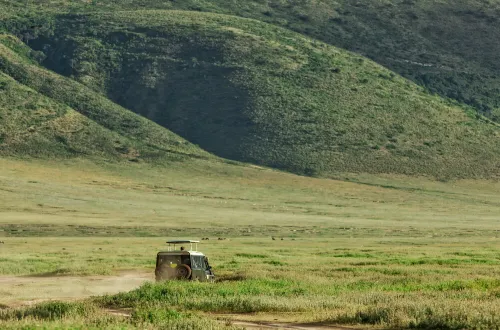
Book Now: Ngorongoro Crater Formation
WhatsApp: +255 747 989 416
Email: exploreafrica024@gmail.com
Make A Quote
Ngorongoro Crater Formation and Its Geological History
Ngorongoro Crater Formation is a remarkable geological event that took place around 2.5 million years ago. This breathtaking crater, located in northern Tanzania, was once an enormous volcanic mountain. Over time, the volcano erupted violently and then collapsed inward, creating the vast caldera we see today.
The crater is one of the largest intact volcanic calderas in the world, measuring about 20 kilometers (12 miles) in diameter and 610 meters (2,000 feet) deep. This natural depression has since evolved into a self-contained ecosystem that is home to an astonishing variety of wildlife. Discover How This Natural Wonder Came to Be.
The Process of Ngorongoro Crater Formation
Ngorongoro Crater Formation was shaped by a series of cataclysmic volcanic events that led to the creation of this stunning geological wonder. Below is a breakdown of how it happened:
1. Volcanic Activity in the Rift Valley
Ngorongoro is part of the East African Rift Valley, a region well-known for its intense volcanic and tectonic activity. Millions of years ago, this area was covered by towering volcanoes, one of which was as large as present-day Mount Kilimanjaro.
2. The Massive Eruption
Roughly 2.5 million years ago, the Ngorongoro volcano experienced a massive eruption, spewing enormous amounts of lava, ash, and gases into the atmosphere. This eruption emptied the magma chamber beneath the volcano, making it structurally weak.
3. Collapse of the Volcano
With the magma chamber emptied, the weight of the mountain above could no longer be supported. As a result, the entire structure collapsed inward, forming a huge, circular depression known as a caldera. Unlike other volcanoes that left behind towering peaks, Ngorongoro’s formation resulted in a flat, enclosed crater.
4. The Formation of a Unique Ecosystem
Over millions of years, the crater transformed into a thriving habitat, attracting a variety of wildlife due to its fertile soil, abundant water sources, and diverse vegetation. Today, the Ngorongoro Crater is a self-contained wildlife paradise, housing over 25,000 large animals, including the Big Five (lion, leopard, elephant, rhino, and buffalo).
Geological Features of Ngorongoro Crater Formation
✔ Crater Diameter: Approximately 20 kilometers (12 miles) across, making it one of the largest intact calderas in the world.
✔ Crater Depth: Around 610 meters (2,000 feet) deep, providing a natural enclosure for wildlife.
✔ Total Area: Spans 264 square kilometers (102 square miles), creating a diverse landscape of forests, grasslands, and lakes.
✔ Surrounding Highlands: The Ngorongoro Highlands were also shaped by ancient volcanic activity, adding to the region’s dramatic scenery.
How Ngorongoro Crater Formation Supports Wildlife
The formation of Ngorongoro Crater has resulted in a unique ecosystem where thousands of animals thrive. The crater’s enclosed nature ensures that many species remain within its borders year-round, making it an ideal location for game viewing.
✔ Grasslands: Support herds of wildebeest, zebras, and gazelles, which in turn attract predators like lions, cheetahs, and hyenas.
✔ Lakes and Swamps: Provide water for hippos, flamingos, and water birds, creating a vibrant aquatic ecosystem.
✔ Lerai Forest: The dense acacia forest is home to elephants, leopards, and other woodland species.
Thanks to its volcanic origins, Ngorongoro Crater has become one of Africa’s most productive and biodiverse wildlife habitats.
Best Time to Visit Ngorongoro Crater
Since the Ngorongoro Crater Formation has created a stable, year-round ecosystem, it can be visited at any time. However, certain seasons offer better wildlife viewing experiences:
✔ Dry Season (June – October): The best time for safaris, as animals gather around water sources.
✔ Short Rainy Season (December – March): The crater is lush and green, making it ideal for photographers and wildlife lovers.
Nearby National Parks Close to Ngorongoro Crater
Visitors exploring the Ngorongoro Crater Formation can also visit other nearby national parks, each offering a unique safari experience:
✔ Serengeti National Park: Famous for the Great Migration and vast predator populations.
✔ Lake Manyara National Park: Known for its tree-climbing lions and vibrant flamingo populations.
✔ Tarangire National Park: Home to massive elephant herds and iconic baobab trees.
We Offer Ngorongoro Crater Tours: Private and Group Safaris
To witness the majestic landscape created by Ngorongoro Crater Formation, we offer safari tours that cater to all types of travelers:
✔ Private Safaris: Personalized experiences with expert guides.
✔ Group Join-In Tours: Budget-friendly options for solo travelers and small groups.
✔ Multi-Day Safari Packages: Combine Ngorongoro with Serengeti, Tarangire, and Lake Manyara for the ultimate wildlife adventure.
Contact Us for Ngorongoro Crater Tours
Are you ready to explore the incredible landscape shaped by the Ngorongoro Crater Formation? Contact us today and let us help you plan the perfect safari!
Why Choose Us?
✔ Experienced guides with in-depth knowledge of Ngorongoro’s history and wildlife.
✔ Well-maintained 4x4 safari vehicles for a comfortable game-viewing experience.
✔ Flexible tour options, from day trips to extended safaris.
Book your Ngorongoro Crater safari today and witness the geological masterpiece that nature created over 2.5 million years ago!
Ngorongoro Crater Formation - Related Pages

Ngorongoro Crater Size: 100 square miles
Ngorongoro Crater spans 260 sq km, with a depth of 610m, a diameter of 16-19km, and an elevation of ... Explore more about Ngorongoro Crater Size

Ngorongoro Crater Map: Navigating World’s Largest Caldera
Ngorongoro Crater Map provides a detailed guide to the crater’s 260 sq km area, roads, lodges,... Explore more about Ngorongoro Crater Map

Ngorongoro Crater History: The Evolution of Natural Wonder
Ngorongoro Crater history dates back 2.5 million years, when a massive volcanic eruption led to its ... Explore more about Ngorongoro Crater History
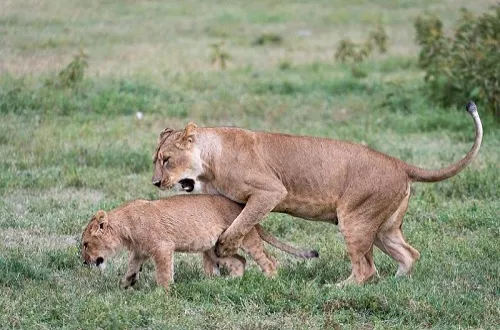
Ngorongoro Crater Photos: Stunning Images of Wildlife
Ngorongoro Crater Photos showcase breathtaking wildlife images, landscapes, and award-winning photog... Explore more about Ngorongoro Crater Photos
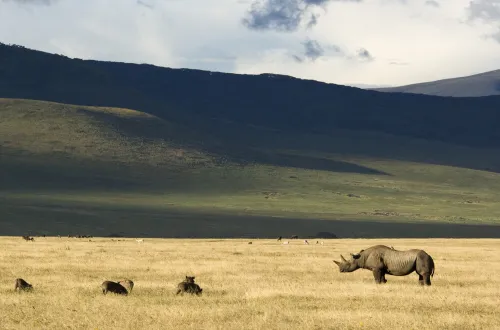
Ngorongoro Crater Altitude: 2,286 meters above sea level
Ngorongoro Crater Altitude is 7,500 feet (2,286 meters) at the rim, while the crater floor is 5,577 ... Explore more about Ngorongoro Crater Altitude
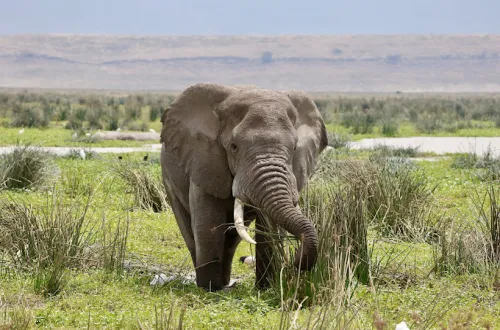
Ngorongoro Crater Weather: Climate & Best Travel Seasons
Ngorongoro Crater weather has a mild, temperate climate with short rainy periods from December to Ma... Explore more about Ngorongoro Crater Weather
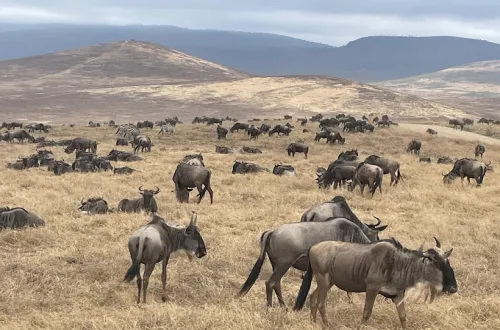
Ngorongoro Crater Animals: The Wildlife Paradise of Africa
Ngorongoro Crater animals include the Big Five—lions, elephants, leopards, buffaloes, and blac... Explore more about Ngorongoro crater animals
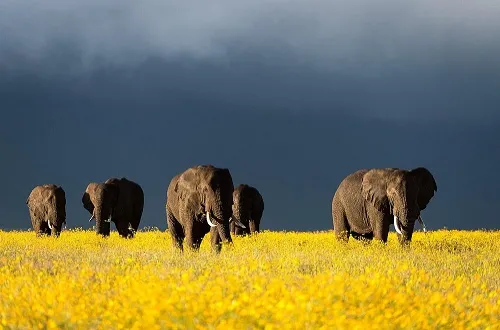
Big Five Ngorongoro: Safari to See Africa’s Iconic Animals
Big Five Ngorongoro includes lions, elephants, buffaloes, leopards, and rhinos, all seen on the crat... Explore more about Big Five Ngorongoro
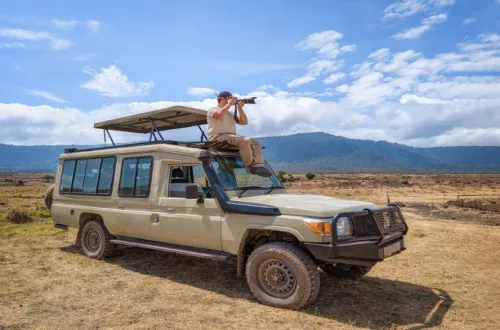
Ngorongoro Crater Photography: A Photographer’s Paradise
Ngorongoro Crater Photography captures the best landscapes and diverse wildlife, making it a top des... Explore more about Ngorongoro Crater Photography
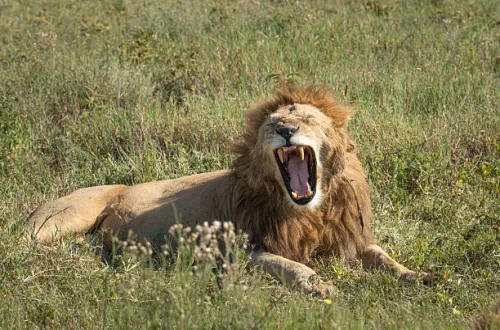
Ngorongoro Crater Best Photography Spots
Ngorongoro Crater best photography spots capture wildlife against crater walls, with soft morning an... Explore more about Ngorongoro Best Photography Spots