Ngorongoro Crater Size: 100 square miles
Ngorongoro Crater spans 260 sq km, with a depth of 610m, a diameter of 16-19km, and an elevation of 2,400m, making it the world’s largest intact caldera.
Access Your PDF Instantly
Ngorongoro Crater >> Ngorongoro Crater Size

Book Now: Ngorongoro Crater Size
WhatsApp: +255 747 989 416
Email: exploreafrica024@gmail.com
Make A Quote
Ngorongoro Crater Size: The World’s Largest Intact Volcanic Caldera
Ngorongoro Crater size is 100 square miles (260 square kilometers), making it one of the most remarkable geological formations on Earth. This massive caldera was formed over 2 to 3 million years ago when a colossal volcano erupted and collapsed inward. Today, it remains the largest intact volcanic caldera in the world, supporting an extraordinary ecosystem that hosts a dense population of wildlife.
With a diameter of 16 to 19 kilometers (10 to 12 miles) and a depth of approximately 610 meters (2,000 feet), Ngorongoro Crater size makes it a self-contained paradise for animals, providing permanent water sources and rich vegetation. The rim of the crater rises to an elevation of around 2,400 meters (7,900 feet) above sea level, offering stunning panoramic views of this natural wonder.
Ngorongoro Crater Size and Its Geographical Features
Ngorongoro Crater’s size contributes to its unique geography, which includes grasslands, swamps, woodlands, and a central lake. Here’s a breakdown of its key dimensions:
Diameter: 16 to 19 kilometers (10 to 12 miles)
Depth: 610 meters (2,000 feet)
Total Area: 260 square kilometers (100 square miles)
Elevation at the Rim: 2,400 meters (7,900 feet) above sea level
The Ngorongoro Crater floor consists of open savannah, acacia woodlands, and seasonal wetlands, creating an ideal environment for wildlife to thrive. The presence of Lake Magadi, a shallow alkaline lake, adds to the ecosystem’s diversity, attracting thousands of flamingos and other bird species.
We Offer Ngorongoro Crater Tours: Private and Group Safaris
We provide Ngorongoro Crater tours in both private and group join safaris, ranging from day trips to multi-day adventures. Whether you prefer a short visit or an extended safari, we offer guided experiences to explore the beauty of this incredible volcanic caldera.
Our safari options include:
✔ Day Trips – A perfect way to experience Ngorongoro Crater in a single day, with a game drive that covers its diverse landscapes.
✔ Multi-Day Safaris – Explore Ngorongoro Crater alongside Serengeti National Park and other attractions for a complete wildlife experience.
✔ Custom Safaris – Tailor your safari based on your preferences, from luxury accommodations to budget-friendly camping adventures.
Wildlife and the Impact of Ngorongoro Crater Size
Ngorongoro Crater’s size plays a crucial role in sustaining an incredible variety of wildlife. The enclosed nature of the crater ensures a high density of animals, making it one of the best places for game viewing in Africa.
Key Wildlife Species in Ngorongoro Crater
Black Rhinos—Ngorongoro Crater is one of the last remaining places in Africa where you can see critically endangered black rhinos in the wild.
Lions—The crater has one of the highest densities of lions in Africa, with over 60 individuals inhabiting the area.
Elephants—Large elephants, particularly older males with impressive tusks, roam the crater floor.
Hippos—Found in the Gorigor Swamp, hippos thrive in the permanent water sources.
Flamingos—Thousands of flamingos flock to Lake Magadi, creating a stunning pink spectacle.
The crater’s diverse ecosystems allow for year-round wildlife viewing, as food and water sources remain available even during the dry season. Unlike other parks where animals migrate, Ngorongoro Crater offers an enclosed habitat where wildlife populations remain relatively stable throughout the year.
The Formation of Ngorongoro Crater and Its Size
Ngorongoro Crater was formed 2 to 3 million years ago when a massive volcano erupted and collapsed inward. Scientists estimate that before its eruption, the volcano could have been as tall as Mount Kilimanjaro, which stands at 5,895 meters (19,341 feet) today.
The caldera measures 16 to 19 kilometers (10 to 12 miles) across and covers 260 square kilometers (100 square miles). The crater’s rim stands at an impressive 2,400 meters (7,900 feet) above sea level, providing a natural barrier that keeps wildlife within the crater floor.
Its depth of 610 meters (2,000 feet) makes Ngorongoro Crater one of the deepest volcanic calderas in the world. This massive depression created a self-sustaining ecosystem, supporting diverse wildlife populations without the need for seasonal migrations.
Ngorongoro Crater as a UNESCO World Heritage Site
Due to its immense ecological and geological importance, Ngorongoro Crater was designated a UNESCO World Heritage Site in 1979. It is part of the Ngorongoro Conservation Area, a protected region covering 8,292 square kilometers (3,203 square miles) in northern Tanzania.
Ngorongoro Crater is unique because it is one of the few places where wildlife and humans coexist. The Maasai people, who have lived in the region for centuries, continue to graze their livestock in the conservation area, maintaining their traditional way of life alongside Africa’s incredible wildlife.
Best Time to Visit Ngorongoro Crater
Ngorongoro Crater offers excellent game viewing throughout the year, but the best time to visit depends on your preferences:
Dry Season (June to October): Best for wildlife viewing, as animals gather near water sources, and the grass is shorter, making them easier to spot.
Wet Season (November to May): Lush landscapes, baby animals, and migratory birds make this an excellent time for photography and birdwatching.
No matter when you visit, Ngorongoro Crater Size ensures an unforgettable safari experience, with spectacular landscapes and an abundance of wildlife.
Contact Us for Ngorongoro Crater Tours
Are you ready to witness the breathtaking Ngorongoro Crater size in person? Contact us today to book a private or group safari and explore the world’s largest intact volcanic caldera.
Custom Itineraries – Personalized tours tailored to your travel style.
Expert Safari Guides—Knowledgeable guides ensure you get the best wildlife encounters.
Luxury & Budget Options – From high-end lodges to affordable camping safaris.
Don’t miss out on the adventure of a lifetime! Book your Ngorongoro Crater safari today and experience one of the most spectacular natural wonders in Africa.
Ngorongoro Crater Size - Related Pages

Ngorongoro Crater Map: Navigating World’s Largest Caldera
Ngorongoro Crater Map provides a detailed guide to the crater’s 260 sq km area, roads, lodges,... Explore more about Ngorongoro Crater Map

Ngorongoro Crater History: The Evolution of Natural Wonder
Ngorongoro Crater history dates back 2.5 million years, when a massive volcanic eruption led to its ... Explore more about Ngorongoro Crater History
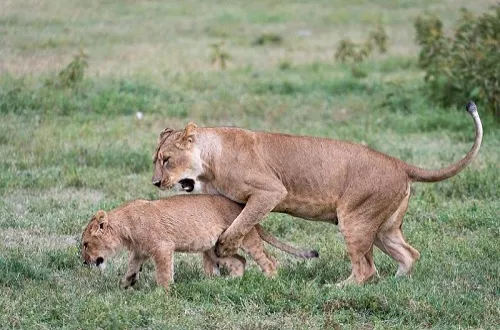
Ngorongoro Crater Photos: Stunning Images of Wildlife
Ngorongoro Crater Photos showcase breathtaking wildlife images, landscapes, and award-winning photog... Explore more about Ngorongoro Crater Photos
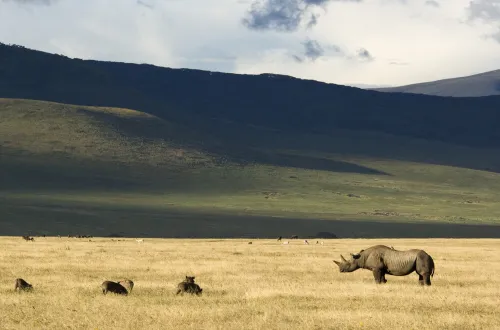
Ngorongoro Crater Altitude: 2,286 meters above sea level
Ngorongoro Crater Altitude is 7,500 feet (2,286 meters) at the rim, while the crater floor is 5,577 ... Explore more about Ngorongoro Crater Altitude
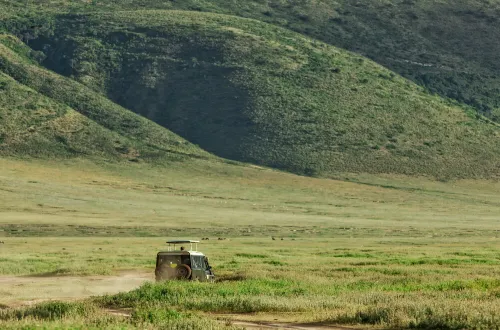
Ngorongoro Crater Formation: How This Wonder Came to Be
Ngorongoro Crater Formation resulted from a massive volcanic eruption 2.5 million years ago, creatin... Explore more about Ngorongoro Crater Formation
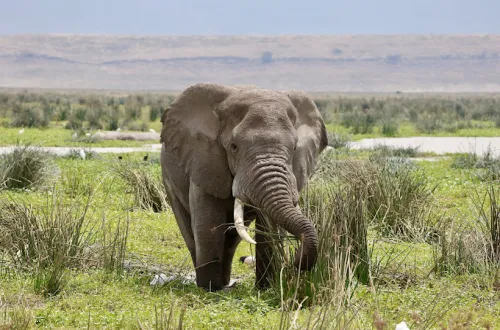
Ngorongoro Crater Weather: Climate & Best Travel Seasons
Ngorongoro Crater weather has a mild, temperate climate with short rainy periods from December to Ma... Explore more about Ngorongoro Crater Weather
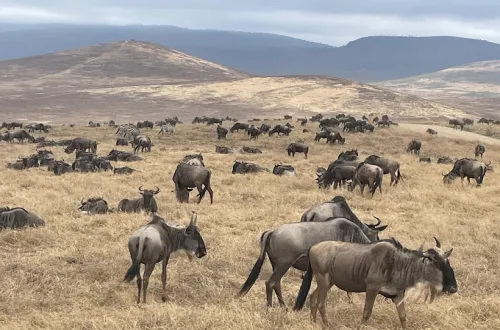
Ngorongoro Crater Animals: The Wildlife Paradise of Africa
Ngorongoro Crater animals include the Big Five—lions, elephants, leopards, buffaloes, and blac... Explore more about Ngorongoro crater animals
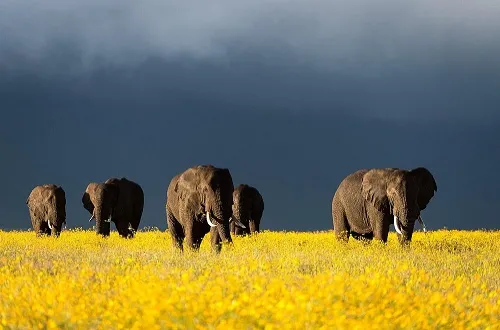
Big Five Ngorongoro: Safari to See Africa’s Iconic Animals
Big Five Ngorongoro includes lions, elephants, buffaloes, leopards, and rhinos, all seen on the crat... Explore more about Big Five Ngorongoro
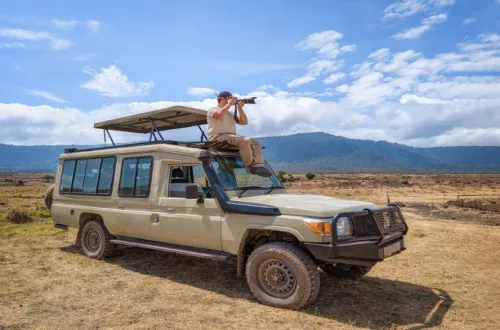
Ngorongoro Crater Photography: A Photographer’s Paradise
Ngorongoro Crater Photography captures the best landscapes and diverse wildlife, making it a top des... Explore more about Ngorongoro Crater Photography
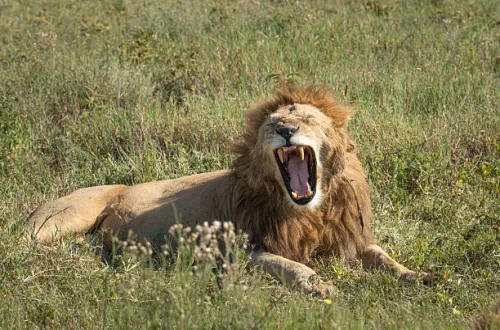
Ngorongoro Crater Best Photography Spots
Ngorongoro Crater best photography spots capture wildlife against crater walls, with soft morning an... Explore more about Ngorongoro Best Photography Spots