Ngorongoro Crater Weather: Climate & Best Travel Seasons
Ngorongoro Crater weather has a mild, temperate climate with short rainy periods from December to March and a dry season from June to October.
Access Your PDF Instantly
Ngorongoro Crater >> Ngorongoro Crater Weather
Book Now: Ngorongoro Crater Weather
WhatsApp: +255 747 989 416
Email: exploreafrica024@gmail.com
Make A Quote
Ngorongoro Crater Weather
Ngorongoro Crater weather is mild and temperate throughout the year due to its high altitude. The crater rim sits at 2,286 meters (7,500 feet) above sea level, resulting in cool mornings and evenings, while the crater floor, at 1,700 meters (5,577 feet), experiences warmer temperatures during the day.
Ngorongoro Crater weather is characterized by two main seasons:
✔ Wet Season (November – May): Includes short rains (November – December) and long rains (March – May).
✔ Dry Season (June – October): Clear skies, cooler temperatures, and the best time for wildlife viewing.
Ngorongoro Crater weather varies by month, so knowing the climate conditions for each season can help you plan your perfect safari. Discover Ngorongoro Crater Weather: Climate & Best Travel Seasons.
Ngorongoro Crater Weather Throughout the Year (Month-by-month)
Ngorongoro Crater Weather in January
January falls in the short rainy season, with occasional showers but plenty of sunshine in between. Daytime temperatures average 20°C (68°F), while nights are cooler, around 8°C (46°F). The crater remains lush and green, providing excellent wildlife photography opportunities.
Ngorongoro Crater Weather in February
February is similar to January, with warm days and occasional rain showers. This is one of the best times for calving season, as thousands of wildebeest give birth in the nearby Serengeti plains, attracting predators like lions and cheetahs.
Ngorongoro Crater Weather in March
March marks the beginning of the long rainy season, with increased rainfall and occasional thunderstorms. Temperatures range from 19°C (66°F) in the day to 7°C (45°F) at night. The crater remains green and teeming with wildlife.
Ngorongoro Crater Weather in April
April is one of the wettest months, experiencing heavy rains and occasional mist. The temperatures stay mild, but the roads can become muddy and slippery, making safaris more challenging. However, the fewer crowds make it a peaceful time to visit.
Ngorongoro Crater Weather in May
May continues the long rainy season, though rains start to subside towards the end of the month. The landscape remains green and lush, with temperatures averaging 18°C (64°F) in the daytime and 6°C (43°F) at night.
Ngorongoro Crater Weather in June
June marks the start of the dry season, with clear skies, mild temperatures, and minimal rainfall. Days are around 17°C (63°F), while nights can drop to 5°C (41°F). Wildlife is easier to spot as vegetation thins out.
Ngorongoro Crater Weather in July
July is one of the coolest months, with daytime temperatures reaching 16°C (61°F) and dropping to 4°C (39°F) at night. It is a prime safari season, with excellent wildlife viewing as animals gather around water sources.
Ngorongoro Crater Weather in August
August remains cool and dry, with temperatures similar to July. Expect clear skies and breathtaking views of the crater. This is one of the best months for safaris, as large herds of animals roam freely across the grasslands.
Ngorongoro Crater Weather in September
September sees a gradual increase in temperatures, with daytime highs of 18°C (64°F) and nights around 6°C (43°F). The dry conditions make it an excellent time for game drives, as animals continue gathering around water sources.
Ngorongoro Crater Weather in October
October is the last month of the dry season, with temperatures around 19°C (66°F) during the day and 7°C (45°F) at night. The chances of rainfall begin to rise toward the end of the month, signaling the return of the short rainy season.
Ngorongoro Crater Weather in November
November brings the short rains, but they are typically brief and do not disrupt safaris. Temperatures rise slightly, averaging 20°C (68°F) during the day. The landscape begins to turn green again, attracting migratory birds.
Ngorongoro Crater Weather in December
December sees light showers mixed with sunshine, creating a beautiful balance between dry and wet conditions. Wildlife remains abundant, and festive season safaris are popular during this time.
Best Time to Visit Ngorongoro Crater
✔ Best Wildlife Viewing: June – October (Dry Season)
✔ Lush Green Landscapes & Fewer Crowds: November – May (Wet Season)
✔ Best for Photography: December – March (Calving Season & Green Scenery)
Ngorongoro Crater Weather Factors
1. Temperature (°C and °F):
Daytime Average: 16°C–20°C (61°F–68°F)
Nighttime Average: 4°C – 8°C (39°F – 46°F)
2. Precipitation:
Wettest Months: March, April, May
Driest Months: June, July, August, September
3. Humidity:
Humidity levels vary between 60% and 80%, being higher in the wet season.
4. Wind:
The crater rim experiences cool breezes, while the crater floor remains warmer and less windy.
We offer Ngorongoro Crater tours at the best Ngorongoro Crater weather
We offer Ngorongoro Crater tours in both private and group safaris, from day trips to multi-day safaris, ensuring you experience the best Ngorongoro Crater weather conditions.
✔ Private Safaris: Tailor-made itineraries for an exclusive experience.
✔ Group Join-In Safaris: Budget-friendly trips with shared safari vehicles.
✔ Multi-Day Tours: Combine Ngorongoro with Serengeti, Lake Manyara, and Tarangire for a complete adventure.
Contact Us for Ngorongoro Crater Tours
Planning a safari at the perfect Ngorongoro Crater weather? Contact us today for expert advice and customized tour packages.
Why Choose Us?
✔ Professional guides with in-depth knowledge of Ngorongoro’s climate and wildlife.
✔ Comfortable, well-equipped 4x4 safari vehicles.
✔ Flexible safari options to match your schedule and budget.
Book your Ngorongoro Crater safari today and witness one of Africa’s most breathtaking landscapes at the best weather conditions!
Ngorongoro Crater Weather - Related Pages

Ngorongoro Crater Size: 100 square miles
Ngorongoro Crater spans 260 sq km, with a depth of 610m, a diameter of 16-19km, and an elevation of ... Explore more about Ngorongoro Crater Size

Ngorongoro Crater Map: Navigating World’s Largest Caldera
Ngorongoro Crater Map provides a detailed guide to the crater’s 260 sq km area, roads, lodges,... Explore more about Ngorongoro Crater Map

Ngorongoro Crater History: The Evolution of Natural Wonder
Ngorongoro Crater history dates back 2.5 million years, when a massive volcanic eruption led to its ... Explore more about Ngorongoro Crater History
Ngorongoro Crater Photos: Stunning Images of Wildlife
Ngorongoro Crater Photos showcase breathtaking wildlife images, landscapes, and award-winning photog... Explore more about Ngorongoro Crater Photos
Ngorongoro Crater Altitude: 2,286 meters above sea level
Ngorongoro Crater Altitude is 7,500 feet (2,286 meters) at the rim, while the crater floor is 5,577 ... Explore more about Ngorongoro Crater Altitude
Ngorongoro Crater Formation: How This Wonder Came to Be
Ngorongoro Crater Formation resulted from a massive volcanic eruption 2.5 million years ago, creatin... Explore more about Ngorongoro Crater Formation
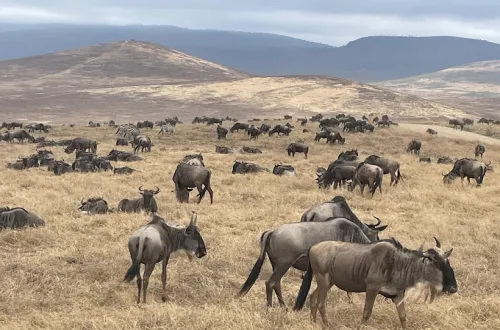
Ngorongoro Crater Animals: The Wildlife Paradise of Africa
Ngorongoro Crater animals include the Big Five—lions, elephants, leopards, buffaloes, and blac... Explore more about Ngorongoro crater animals
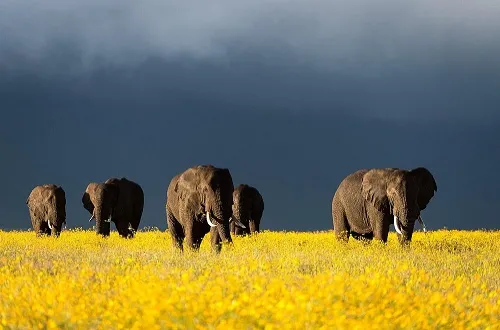
Big Five Ngorongoro: Safari to See Africa’s Iconic Animals
Big Five Ngorongoro includes lions, elephants, buffaloes, leopards, and rhinos, all seen on the crat... Explore more about Big Five Ngorongoro
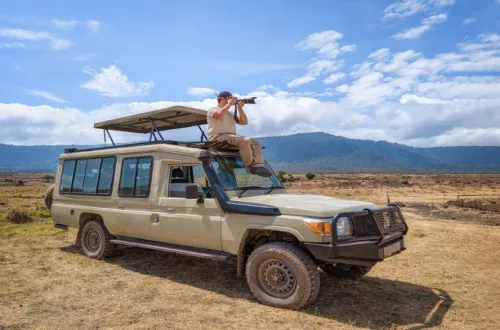
Ngorongoro Crater Photography: A Photographer’s Paradise
Ngorongoro Crater Photography captures the best landscapes and diverse wildlife, making it a top des... Explore more about Ngorongoro Crater Photography
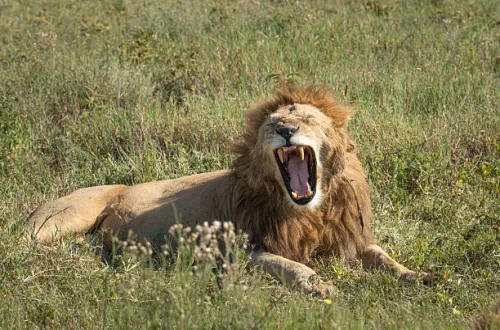
Ngorongoro Crater Best Photography Spots
Ngorongoro Crater best photography spots capture wildlife against crater walls, with soft morning an... Explore more about Ngorongoro Best Photography Spots