Ngorongoro Crater Best Photography Spots
Ngorongoro Crater best photography spots capture wildlife against crater walls, with soft morning and evening light creating stunning photography opportunities
Access Your PDF Instantly
Ngorongoro Crater >> Ngorongoro Best Photography Spots
Book Now: Ngorongoro Best Photography Spots
WhatsApp: +255 747 989 416
Email: exploreafrica024@gmail.com
Make A Quote
Ngorongoro Crater Best Photography Spots: The Ultimate Guide for Photographers
Ngorongoro Crater best photography spots are the most breathtaking locations for capturing wildlife, landscapes, and unique natural beauty in this UNESCO World Heritage Site. As one of the most photogenic places in Africa, the Ngorongoro Crater provides an unrivaled backdrop for wildlife photography, thanks to its dramatic crater walls, diverse ecosystems, and abundance of wildlife.
Located in Northern Tanzania, Ngorongoro Crater spans 260 square kilometers and is home to over 25,000 large mammals, including the Big Five: lions, elephants, leopards, buffaloes, and the rare black rhino. Whether you’re an amateur or a professional photographer, this guide will help you find the Ngorongoro Crater’s best photography spots for capturing stunning safari images.
We offer Ngorongoro Crater tours in both private and group join safaris, available from one-day trips to multi-day excursions, ensuring you capture the best photography opportunities the crater has to offer.
Ngorongoro Crater Best Photography Spots and What Makes Them Unique
1. Crater Rim Viewpoints: Capturing the Entire Landscape
One of the best photography spots in the Ngorongoro Crater is along the crater rim, where you can capture the breathtaking scale of the crater below. Sunrise and sunset provide the best lighting, with golden hues enhancing the textures of the crater walls and floor.
2. Wildlife Against the Crater Walls
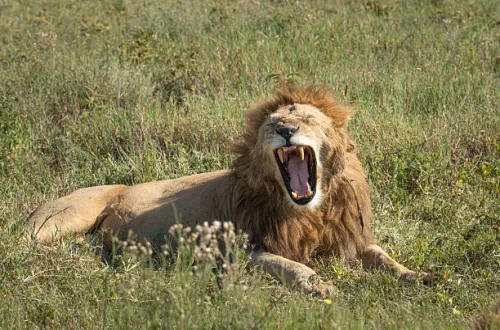
For stunning wildlife photography in Ngorongoro Crater, focus on capturing animals against the dramatic backdrop of the crater walls. The high, dark walls create contrast and depth, making subjects like lions, elephants, and zebras stand out beautifully.
3. Lake Magadi: Flamingos and Reflections
Lake Magadi, located on the crater floor, is a prime spot for photographing flamingos wading in the alkaline waters. Their pink hues against the blue lake reflections create striking compositions.
4. Lerai Forest: Perfect for Elephant Photography
This lush, green acacia forest is home to large herds of elephants, providing a unique setting for wildlife shots. The forest’s filtered light and dense vegetation add depth to your images.
5. Open Grasslands: Action-Packed Predator Moments
The crater’s grasslands are where predators like lions, cheetahs, and hyenas hunt their prey. This is the best location to capture dramatic wildlife action shots, particularly in the early morning when predators are most active.
6. Ngoitokitok Springs: Hippos and Birdlife
This small wetland area is excellent for photographing hippos, birds, and grazing herbivores in a scenic setting. Morning mist often adds a mystical touch to the images.
7. The Great Migration (Ndutu Area)
If you visit at the right time, you can capture wildebeest and zebras migrating across the crater floor, offering dynamic action shots of herds in motion.
Best Time for Ngorongoro Crater Best Photography Safari
Timing is essential for getting the best shots at Ngorongoro Crater best photography spots.
✔ Dry Season (June – October):
Best for wildlife photography, as animals gather near water sources.
Shorter grass makes it easier to spot and photograph predators.
Clear skies and golden light enhance landscape and wildlife shots.
✔ Short Rain Season (December – March):
The crater turns lush and green, creating vivid color contrasts in photos.
Baby animals are born, leading to photogenic wildlife interactions.
The lighting is softer, offering unique cloud formations and dynamic skies.
Whether you visit during the dry or rainy season, Ngorongoro Crater Best Photography Spots provide breathtaking opportunities year-round.
Photography Tips for Capturing the Best Shots
Use a Zoom Lens: A 200-400mm lens is ideal for capturing wildlife from a distance without disturbing the animals.
Shoot During Golden Hours: The best lighting occurs during sunrise and sunset, producing soft, warm tones.
Frame Wildlife Against the Crater Walls: This technique creates dramatic contrast and enhances subject focus.
Use a Wide-Angle Lens for Landscapes: Capture the entire crater beauty in a single frame with a wide-angle lens.
Be Patient: The best shots often come from waiting for natural wildlife interactions.
We Offer Ngorongoro Crater Tours for Ngorongoro Crater Best Photography
For those seeking to explore Ngorongoro Crater’s best photography spots, we offer:
✔ Private Photography Safaris: Custom tours tailored for wildlife and landscape photography.
✔ Group Photography Expeditions: Join like-minded travelers on a photography-focused safari.
✔ Multi-Day Photography Packages: Covering Ngorongoro, Serengeti, and Tarangire for an extended photography experience.
Our vehicles have open roofs for unobstructed views, and our guides are experts in photography techniques and wildlife tracking.
Contact Us for Ngorongoro Crater’s Best Photography Safaris
Book your Ngorongoro Crater Photography Safari today!
We provide:
✔ Expert photography guides to help you find the best angles and lighting conditions.
✔ Tailored itineraries that prioritize Ngorongoro Crater’s best photography spots.
✔ Comfortable safari vehicles with 360-degree views for optimal shooting conditions.
Contact us now to plan your Ngorongoro Crater Best Photography safari and capture Africa’s most extraordinary images!
Ngorongoro Best Photography Spots - Related Pages

Ngorongoro Crater Size: 100 square miles
Ngorongoro Crater spans 260 sq km, with a depth of 610m, a diameter of 16-19km, and an elevation of ... Explore more about Ngorongoro Crater Size

Ngorongoro Crater Map: Navigating World’s Largest Caldera
Ngorongoro Crater Map provides a detailed guide to the crater’s 260 sq km area, roads, lodges,... Explore more about Ngorongoro Crater Map

Ngorongoro Crater History: The Evolution of Natural Wonder
Ngorongoro Crater history dates back 2.5 million years, when a massive volcanic eruption led to its ... Explore more about Ngorongoro Crater History
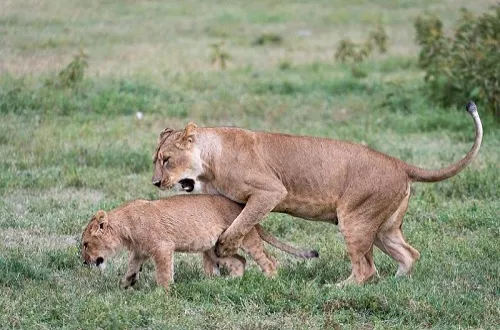
Ngorongoro Crater Photos: Stunning Images of Wildlife
Ngorongoro Crater Photos showcase breathtaking wildlife images, landscapes, and award-winning photog... Explore more about Ngorongoro Crater Photos
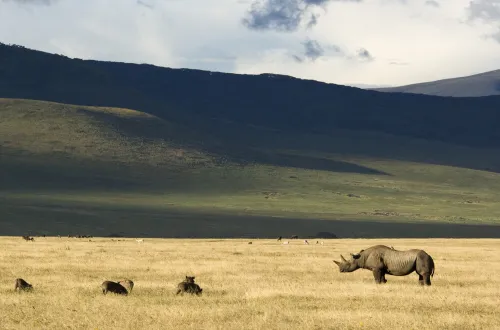
Ngorongoro Crater Altitude: 2,286 meters above sea level
Ngorongoro Crater Altitude is 7,500 feet (2,286 meters) at the rim, while the crater floor is 5,577 ... Explore more about Ngorongoro Crater Altitude
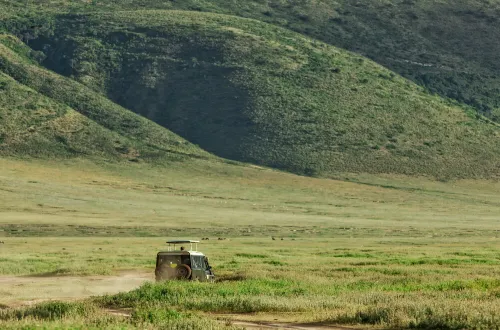
Ngorongoro Crater Formation: How This Wonder Came to Be
Ngorongoro Crater Formation resulted from a massive volcanic eruption 2.5 million years ago, creatin... Explore more about Ngorongoro Crater Formation
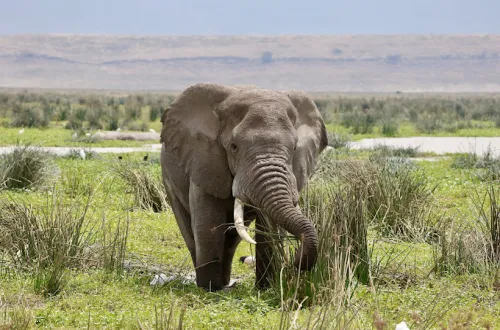
Ngorongoro Crater Weather: Climate & Best Travel Seasons
Ngorongoro Crater weather has a mild, temperate climate with short rainy periods from December to Ma... Explore more about Ngorongoro Crater Weather
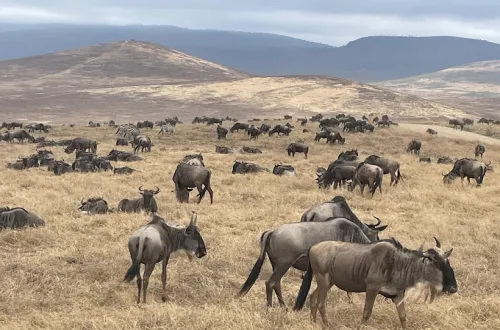
Ngorongoro Crater Animals: The Wildlife Paradise of Africa
Ngorongoro Crater animals include the Big Five—lions, elephants, leopards, buffaloes, and blac... Explore more about Ngorongoro crater animals
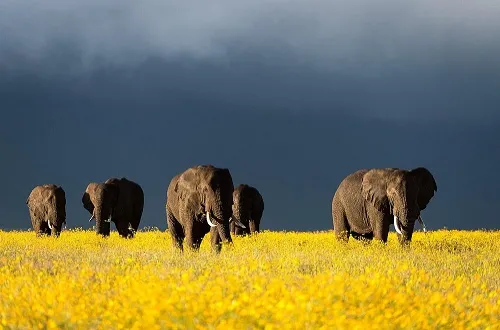
Big Five Ngorongoro: Safari to See Africa’s Iconic Animals
Big Five Ngorongoro includes lions, elephants, buffaloes, leopards, and rhinos, all seen on the crat... Explore more about Big Five Ngorongoro
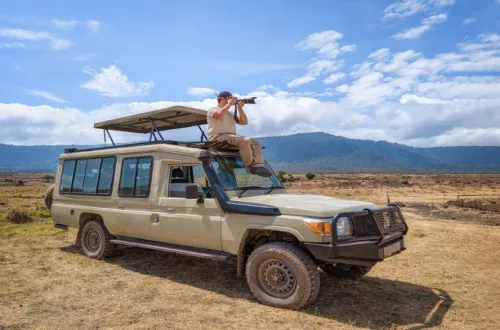
Ngorongoro Crater Photography: A Photographer’s Paradise
Ngorongoro Crater Photography captures the best landscapes and diverse wildlife, making it a top des... Explore more about Ngorongoro Crater Photography