Ngorongoro Crater History: The Evolution of Natural Wonder
Ngorongoro Crater history dates back 2.5 million years, when a massive volcanic eruption led to its collapse, forming the world’s largest intact caldera.
Access Your PDF Instantly
Ngorongoro Crater >> Ngorongoro Crater History

Book Now: Ngorongoro Crater History
WhatsApp: +255 747 989 416
Email: exploreafrica024@gmail.com
Make A Quote
Ngorongoro Crater History and Its Geological Formation
Ngorongoro Crater History is formed about 2.5 million years ago from a large active volcano whose cone collapsed inward after a major eruption, leaving behind the world’s largest intact volcanic caldera. The crater, located in northern Tanzania within the Ngorongoro Conservation Area, spans 260 square kilometers (100 square miles) and has a depth of 610 meters (2,000 feet).
Scientists believe that before it erupted, the Ngorongoro volcano stood at an estimated height similar to Mount Kilimanjaro, making it one of the tallest mountains in Africa at the time. The enormous explosion that followed led to the formation of the caldera, which now supports an incredibly diverse ecosystem. Know about Ngorongoro Crater History: The Evolution of a Natural Wonder.
Geological Significance of Ngorongoro Crater History
The Ngorongoro Crater is part of the East African Rift Valley, a region known for its dramatic landscapes and volcanic activity. Over the years, the crater floor has transformed into a fertile grassland, home to one of the richest wildlife populations in Africa.
Key geological features include:
✔ Crater Walls—Rising to about 2,286 meters (7,500 feet) above sea level, providing a natural enclosure for wildlife.
✔ Lake Magadi—A shallow soda lake inside the crater, attracting flamingos and other bird species.
✔ Lerai Forest—A lush green forest on the crater floor, where elephants and leopards are commonly found.
✔ Gorigor Swamp—A critical water source supporting hippos, buffaloes, and other animals.
Ngorongoro Crater History and Human Presence
While the Ngorongoro Crater’s history is largely defined by its geological formation, human presence in the area dates back thousands of years. The Olduvai Gorge, located within the Ngorongoro Conservation Area, is one of the most significant paleoanthropological sites in the world. Fossils and tools found here provide evidence of early human ancestors dating back nearly 2 million years.
The area is also home to the Maasai people, who migrated to the region several hundred years ago. Unlike other conservation areas, the Maasai are allowed to graze their cattle within the Ngorongoro Crater, coexisting with wildlife in a unique way.
Ngorongoro Crater History as a UNESCO World Heritage Site
Due to its unique combination of wildlife, geology, and cultural significance, the Ngorongoro Conservation Area was declared a UNESCO World Heritage Site in 1979. This recognition ensures that efforts are continuously made to preserve the area’s natural beauty and biodiversity while allowing sustainable human activities.
Key reasons for its UNESCO status include:
✔ Biodiversity – Home to over 25,000 large animals, including the rare black rhino.
✔ Geological Importance – The largest unbroken volcanic caldera in the world.
✔ Cultural Heritage – Presence of early human fossils at Olduvai Gorge.
Ngorongoro Crater History and Tourism Development
With its stunning landscapes and abundant wildlife, the Ngorongoro Crater has become one of Tanzania’s top tourist destinations. The area offers world-class safari experiences, drawing thousands of visitors annually.
✔ Wildlife Safaris—A chance to see the Big Five (lion, leopard, elephant, buffalo, and rhino).
✔ Photographic Tours – Breathtaking scenery, from lush forests to open grasslands.
✔ Birdwatching – Over 500 bird species, including flamingos and ostriches.
Best Time to Visit According to Ngorongoro Crater History
While the Ngorongoro Crater is accessible year-round, the best time for wildlife viewing depends on seasonal changes:
✔ Dry Season (June to October): Best for wildlife viewing as animals gather around water sources.
✔ Short Rain Season (December to March): Lush landscapes and active animal behavior.
Regardless of the season, the crater remains one of the most reliable safari destinations in Africa, thanks to its enclosed ecosystem that supports wildlife throughout the year.
We Offer Ngorongoro Crater Tours: Private and Group Safaris
For travelers eager to explore Ngorongoro Crater history, we offer a range of guided safaris, including private and group tours. These range from day trips to multi-day adventures, providing the ultimate way to experience the rich wildlife and cultural heritage of the crater.
✔ Day Trips—Ideal for those short on time but eager for a full safari experience.
✔ Multi-Day Safaris – Combining Ngorongoro with Serengeti, Tarangire, and Lake Manyara.
✔ Budget and Luxury Options – Tailored packages to suit all travelers.
Contact Us for Ngorongoro Crater Tours
Planning a visit to one of Africa’s most iconic safari destinations? Contact us today to book your Ngorongoro Crater safari. Whether you prefer a private luxury tour or a group adventure, we have options that suit your travel needs.
Why Choose Us?
✔ Experienced guides with in-depth knowledge of Ngorongoro Crater history.
✔ Flexible safari packages, from budget to luxury experiences.
✔ Exceptional wildlife viewing, including the rare black rhino.
Book your safari now and step into the rich history of Ngorongoro Crater!
Ngorongoro Crater History - Related Pages

Ngorongoro Crater Size: 100 square miles
Ngorongoro Crater spans 260 sq km, with a depth of 610m, a diameter of 16-19km, and an elevation of ... Explore more about Ngorongoro Crater Size

Ngorongoro Crater Map: Navigating World’s Largest Caldera
Ngorongoro Crater Map provides a detailed guide to the crater’s 260 sq km area, roads, lodges,... Explore more about Ngorongoro Crater Map
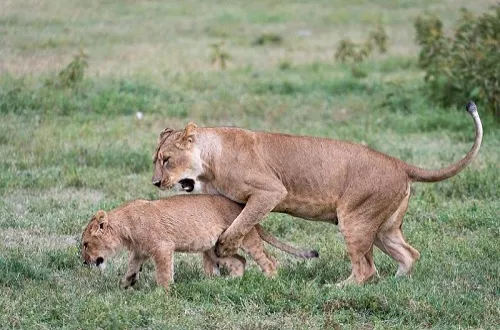
Ngorongoro Crater Photos: Stunning Images of Wildlife
Ngorongoro Crater Photos showcase breathtaking wildlife images, landscapes, and award-winning photog... Explore more about Ngorongoro Crater Photos
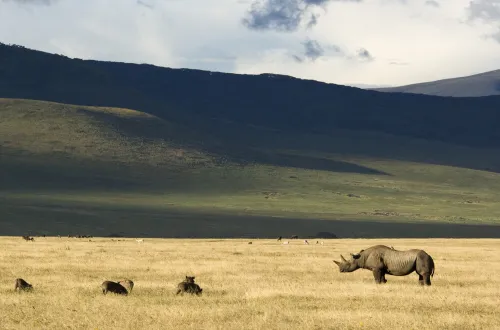
Ngorongoro Crater Altitude: 2,286 meters above sea level
Ngorongoro Crater Altitude is 7,500 feet (2,286 meters) at the rim, while the crater floor is 5,577 ... Explore more about Ngorongoro Crater Altitude
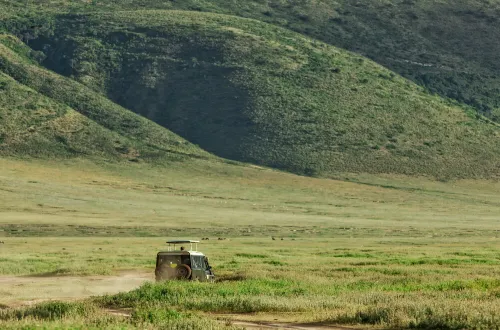
Ngorongoro Crater Formation: How This Wonder Came to Be
Ngorongoro Crater Formation resulted from a massive volcanic eruption 2.5 million years ago, creatin... Explore more about Ngorongoro Crater Formation
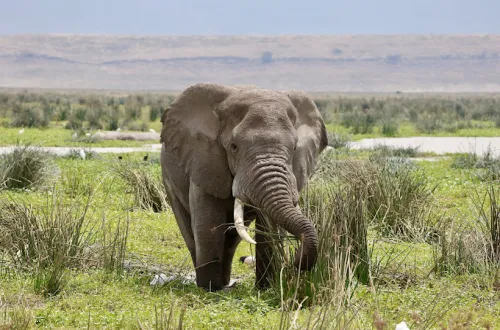
Ngorongoro Crater Weather: Climate & Best Travel Seasons
Ngorongoro Crater weather has a mild, temperate climate with short rainy periods from December to Ma... Explore more about Ngorongoro Crater Weather
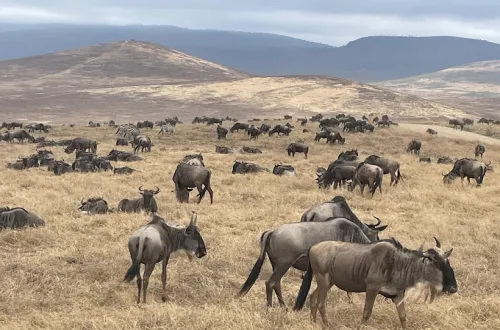
Ngorongoro Crater Animals: The Wildlife Paradise of Africa
Ngorongoro Crater animals include the Big Five—lions, elephants, leopards, buffaloes, and blac... Explore more about Ngorongoro crater animals
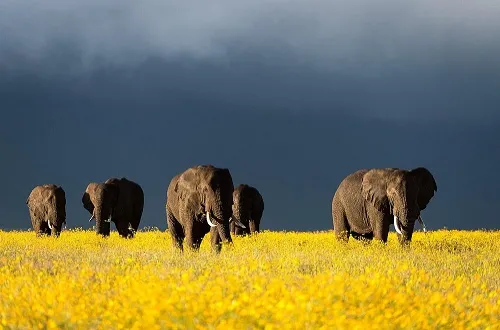
Big Five Ngorongoro: Safari to See Africa’s Iconic Animals
Big Five Ngorongoro includes lions, elephants, buffaloes, leopards, and rhinos, all seen on the crat... Explore more about Big Five Ngorongoro
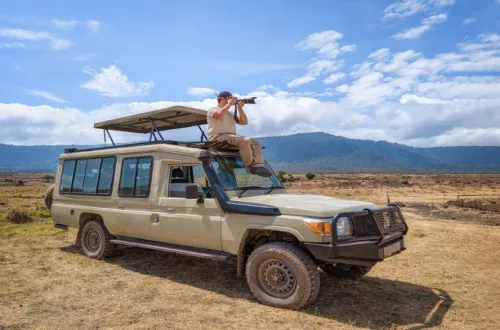
Ngorongoro Crater Photography: A Photographer’s Paradise
Ngorongoro Crater Photography captures the best landscapes and diverse wildlife, making it a top des... Explore more about Ngorongoro Crater Photography
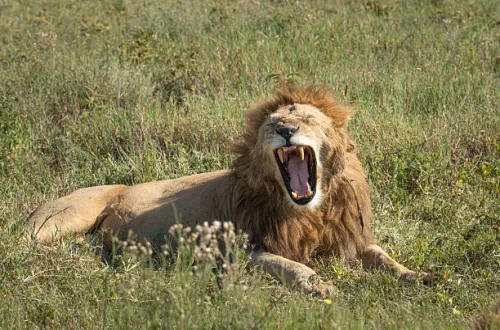
Ngorongoro Crater Best Photography Spots
Ngorongoro Crater best photography spots capture wildlife against crater walls, with soft morning an... Explore more about Ngorongoro Best Photography Spots