Climbing Kilimanjaro in February 2027/2028
Climbing Kilimanjaro in February means sunny trails, quiet camps, and strong summit odds for 2027/2028 climbers. Contact us and lock in your dry-season slot.
Access Your PDF Instantly
Climb Kilimanjaro in February >> Compare 6 Tours
Book Now: Climb Kilimanjaro in February
WhatsApp: +255 747 989 416
Email: exploreafrica024@gmail.com
Make A Quote
Climbing Kilimanjaro in February 2027/2028: Dry Season Wins
Climbing Kilimanjaro in February is ideal, mostly dry weather with warm days and clear summit views. Falling at the end of the short dry season, the lower trails are lush and green, while higher altitudes feature snow and sub-zero night temperatures. It is also less crowded than the July–August peak seasons, so trekkers get open trails, calmer campsites, and better chances at unobstructed summit photos. Trail conditions stay firm underfoot on the lower slopes, while the upper mountain rewards climbers with sharp, star-filled nights and crisp morning light on summit day. Seize this stretch of the calendar, because a dry path and a stable weather window can turn an ordinary climb into a genuinely memorable one.
Climbing Kilimanjaro in February 2027 is the smart pick for anyone who wants firm ground underfoot, mild afternoons, and a real chance at reaching the crater rim without wrestling heavy rain or dense fog. Trail teams consistently report strong pass rates this month because skies stay settled and route conditions remain steady from gate to summit. Set your dates early, train well, and make February 2027 the month your Kilimanjaro goal becomes reality.
Climbing Kilimanjaro in February 2028 gives trekkers another shot at chasing the summit while sidestepping the busiest tourist months. Picture dry footing on the forest trails, bright starlit skies at high camp, and a final climb to the crater rim under conditions built for success. Claim your spot soon, since seasoned climbers already understand how valuable this quiet window really is.
Kilimanjaro Trekking and Climbing Routes for 2027/2028
Picking the right route shapes your entire climb. Below are the trekking and climbing options open for Climbing Kilimanjaro in February 2027 and 2028:
5 days Marangu route
6 days Marangu route
6 days Machame route
7 days Machame route
6 days Lemosho route
7 days Lemosho route
8 days Lemosho route
6 days Rongai route
7 days Rongai route
6 days Umbwe route
7 days Umbwe route
Every route brings its own scenery, pace, and acclimatization schedule, so match the days to your fitness and travel window. Contact us for Climbing Kilimanjaro in February 2027/2028 to confirm open dates, ask about group departures, and get your route questions answered directly. Get in touch now, since dry-season slots move quickly once trekkers catch on to the conditions.
Kilimanjaro Trekking in February Cost and Packages 2027/2028
5 Days Marangu Route Climbing Kilimanjaro in February
Priced at US$1250 per person from Moshi, this hut-based route suits climbers working with a shorter schedule who still want a complete Kilimanjaro experience. Snap up this value package and start mapping out your dry-season summit attempt.
6 Days Marangu Route Climbing Kilimanjaro in February
An extra acclimatization day meaningfully improves summit chances, and this package runs US$1500 per person from Moshi. Choose the longer option and give your body proper time to adjust before push day.
6 Days Machame Route Climbing Kilimanjaro in February
Loved for its varied scenery, the 6 day Machame package is priced at US$1500 per person from Moshi. Reserve this popular route and pair dramatic ridge scenery with dependable February conditions.
7 Days Machame Route Climbing Kilimanjaro in February
For stronger acclimatization on the well-known Machame path, this 7 day package costs US$1750 per person from Moshi. Add the extra day and head toward the summit with far greater confidence.
6 Days Lemosho Route Climbing Kilimanjaro in February
Renowned for its remote, peaceful trails, the 6 day Lemosho package is available at US$1600 per person from Moshi. Book this route today for a quieter, more scenic path to the Roof of Africa.
7 Days Lemosho Route Climbing Kilimanjaro in February
This extended Lemosho package is priced at US$1850 per person from Moshi, giving trekkers more time to acclimatize across shifting terrain. Grab this option and let the extra day work in your favor.
8 Days Lemosho Route Climbing Kilimanjaro in February
For the strongest success rates and the most gradual climb, the 8 day Lemosho package costs US$2100 per person from Moshi. Choose the longer itinerary and stack the odds in your favor for summit day.
6 Days Rongai Route Climbing Kilimanjaro in February
Approaching from the quieter northern side, this 6 day package is priced at US$1500 per person from Moshi. Pick this route for drier trail conditions and a fresh perspective on the mountain.
7 Days Rongai Route Climbing Kilimanjaro in February
This longer Rongai package runs US$1750 per person from Moshi, adding valuable acclimatization time on one of Kilimanjaro’s driest approaches. Sign up now for a smoother climb overall.
6 Days Umbwe Route Climbing Kilimanjaro in February
The steep and scenic Umbwe route is priced at US$1500 per person from Moshi, fitting experienced climbers seeking a direct, quieter path up the mountain. Take on this route and earn striking forest and ridge views.
7 Days Umbwe Route Climbing Kilimanjaro in February
This extended Umbwe package costs US$1750 per person from Moshi, adding acclimatization time to an already rewarding route. Book today and take on one of Kilimanjaro’s most memorable challenges.
Please note the prices listed above apply to Climbing Kilimanjaro in February 2027/2028 from Moshi in a shared group tour departure. Reach out to check availability and hold your preferred dates before spots run out.
Weather Guide for Climbing Kilimanjaro in February
February brings some of Kilimanjaro’s most dependable climbing weather, falling squarely within the short dry season and delivering warm days, largely clear skies, and striking snow-topped summit views. Because the mountain crosses several climate zones, conditions change sharply with elevation. Across the lower rainforest and heath belt, roughly 1,800 to 3,000 meters, daytime readings typically fall between 15°C and 25°C (59°F to 77°F), producing a warm, humid setting thick with vegetation. Further up, in the alpine desert zone between 4,000 and 5,000 meters, daytime temperatures sit close to freezing near 0°C (32°F), and nights turn sharply colder. At Uhuru Peak itself, nighttime readings routinely drop to -10°C (14°F) or lower, with wind chill pushing the felt temperature down even further. Mornings tend to stay clear, with only the occasional afternoon cloud or brief light shower. All told, February ranks among the best windows to summit Africa’s tallest mountain, blending comfortable trekking, firmer trails, and strong success rates while still avoiding the heaviest crowds of the July–August rush.
Budget-Friendly Ways to Approach Climbing Kilimanjaro in February
Climbing Kilimanjaro in February on a budget is more achievable than most travelers expect. Traveling with friends? Book together as a group and split shared costs like guides, porters, and camp fees, which brings the per-person rate down noticeably. Traveling solo or as a couple? Join an existing group departure rather than paying for a private trek, and contact us to check which dates still have space. You’re also welcome to bring your own gear, since most of it stays useful long after Climbing Kilimanjaro in February wraps up, while bulkier items such as a sleeping bag can simply be rented in Moshi to keep your luggage light.
Packing List for Climbing Kilimanjaro in February 2027/2028
Personal gear is not included in the quoted prices above. Your guide will inspect your equipment on arrival day, and any missing essentials can be rented in Moshi town on arrival or the day before you head to the Kilimanjaro gate. Recommended packing list:
Small backpack / day pack (25–50 liters)
Sleeping bag (comfort -15°C)
Mountain sunglasses with UV protection (3–4 Cat.)
Hydration bag / bladder
Trekking poles
Trekking pants
Warm fleece jacket (recommended 2 pcs)
Membrane jacket
Membrane pants
Trekking sneakers
Hiking boots (ankle-fixing)
Thermal underwear set (recommended 2 pcs)
Storm jacket or down jacket for summit day (comfort -15°C)
Storm pants or ski pants for summit day (comfort -15°C)
Gloves or mittens for summit day (comfort -15°C)
Fleece gloves
Leg gaiters
Fleece hat (a balaclava is also recommended)
Headlamp (including one set of batteries)
Waterproof poncho
Athletic long sleeve shirts or t-shirts (recommended 2–3 pcs)
Flask (1 liter) / thermos (1 liter) — plan on carrying 2 liters of water per day
Hiking socks (recommended 4–5 pcs)
Thermal winter socks for summit day (comfort -15°C)
Sunscreen cream (SPF 30+)
Towel / wet wipes
Toothpaste / toothbrush
Hand warmers (recommended 2 pcs)
Neck gaiter
Why Climbing Kilimanjaro in February Ranks Among the Best Options
A few key points sum up this month’s conditions: on the lower slopes, daytime temperatures range between 15°C and 25°C (59°F to 77°F), producing a warm, humid environment near the base of the mountain. Near the summit, nighttime readings can fall to -10°C (14°F) or lower, so despite being milder than the June–September season, climbers still need solid cold-weather gear for the upper mountain. Mornings usually stay clear, with occasional afternoon clouds or a brief passing shower.
February stands out as one of the strongest months to climb Mount Kilimanjaro thanks to smaller crowds, cooler and drier weather, and consistently solid summit success rates. As elevation increases, temperatures fall steadily, making proper layering essential from the mid-mountain zones upward. Many experienced trekkers view it as Kilimanjaro’s hidden gem — dry conditions, quieter trails, strong pass rates, and milder summit nights compared to January.
Ready to start planning? Reach out today, ask about upcoming group departures, and take the first step toward standing on Uhuru Peak during one of the calmest, clearest windows the mountain has to offer.
Consider The Following Posts Related To Climb Kilimanjaro in February
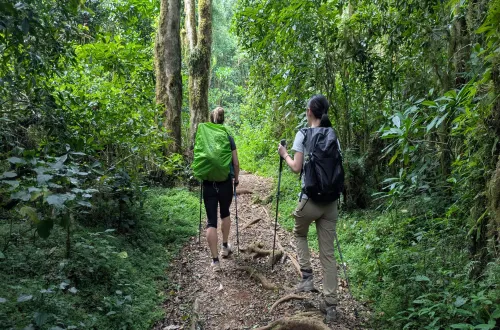
5 Days Marangu Route Kilimanjaro Climb in February
From USD1250 Per Person -
4.8/5 (797 Reviews)
5 Days Marangu Route Kilimanjaro Climbing in February 2027/2028 offers dry trails, clear views and a fast route. Check d... Explore more about 5-Day Marangu Route Kilimanjaro Climb in February
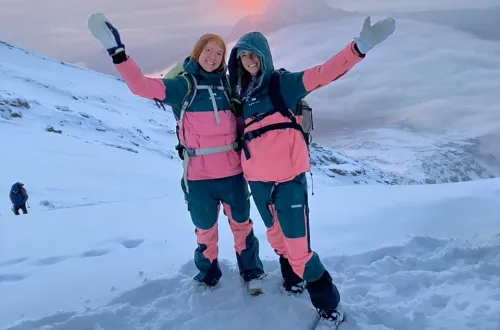
6 Days Lemosho Route Kilimanjaro Climb in February
From USD1600 Per Person -
4.8/5 (739 Reviews)
6 Days Lemosho Route Kilimanjaro Climbing in February 2027/2028 gives you dry trails, clear views and a strong summit ch... Explore more about 6-Day Lemosho Route Kilimanjaro Climb in February
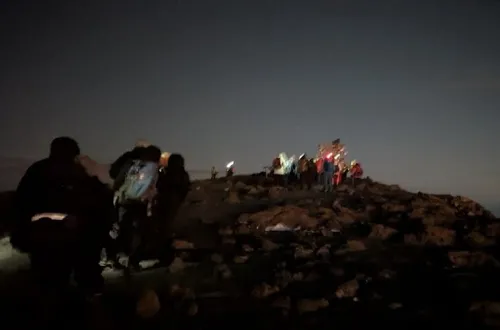
6 Days Machame Route Kilimanjaro Climbing in February
From USD1500 Per Person -
4.8/5 (739 Reviews)
6 Days Machame Route Kilimanjaro Climbing in February 2027/2028 offers dry trails and clear views. Check dates, prepare ... Explore more about 6-Day Machame Route Kilimanjaro Climb in February
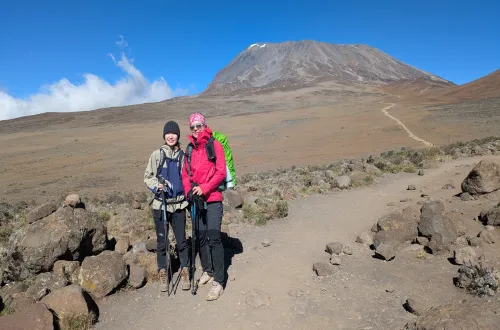
6 Days Marangu Route Kilimanjaro Climbing in February
From USD1500 Per Person -
4.8/5 (739 Reviews)
6 Days Marangu Route Kilimanjaro Climbing in February 2027/2028 offers dry trails, clear skies, expert guides, hut stays... Explore more about 6-Day Marangu Route Kilimanjaro Climb in February
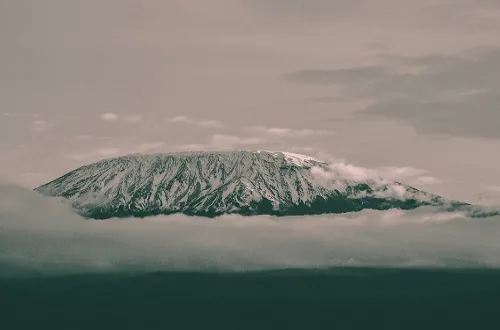
7 Days Lemosho Route Kilimanjaro Climbing in February
From USD1850 Per Person -
4.8/5 (661 Reviews)
7 Days Lemosho Route Kilimanjaro Climbing in February 2027/2028 — Secure your dates for clear skies, scenic trails... Explore more about 7-Day Lemosho Route Kilimanjaro Climb in February
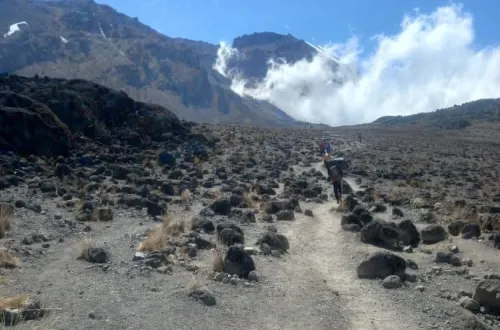
7 Days Machame Route Kilimanjaro Climbing in February
From USD1750 Per Person -
4.8/5 (661 Reviews)
7 Days Machame Route Kilimanjaro Climbing in February 2027/2028 offers dry trails and clear skies. Reserve your dates no... Explore more about 7 Days Machame Route Kilimanjaro Climb in February