Ngorongoro Crater Altitude: 2,286 meters above sea level
Ngorongoro Crater Altitude is 7,500 feet (2,286 meters) at the rim, while the crater floor is 5,577 feet above sea level, creating a unique ecosystem.
Access Your PDF Instantly
Ngorongoro Crater >> Ngorongoro Crater Altitude
Book Now: Ngorongoro Crater Altitude
WhatsApp: +255 747 989 416
Email: exploreafrica024@gmail.com
Make A Quote
Ngorongoro Crater Altitude: Elevation, Climate, and Impact on Wildlife
Ngorongoro Crater Altitude is a defining characteristic of this natural wonder, shaping its climate, landscapes, and biodiversity. Located in northern Tanzania, the Ngorongoro Crater rim stands at approximately 7,500 feet (2,286 meters) above sea level, while the crater floor sits about 2,000 feet (610 meters) below, at an elevation of 5,577 feet (1,700 meters) above sea level.
This significant difference in altitude plays a crucial role in the weather patterns, vegetation, and wildlife distribution within the crater. The cooler conditions at the rim contrast with the warmer climate on the crater floor, supporting diverse ecosystems that sustain thousands of animals year-round.
Ngorongoro Crater Altitude and Its Geological Significance
Ngorongoro Crater is the world’s largest inactive, intact volcanic caldera, formed when a massive volcano collapsed approximately 2.5 million years ago. The resulting depression created an enclosed habitat that has remained one of Africa’s most concentrated wildlife sanctuaries.
✔ Rim Altitude: The highest points of the crater reach approximately 7,500 feet (2,286 meters) above sea level.
✔ Crater Floor Altitude: The floor of the crater sits 5,577 feet (1,700 meters) above sea level, making it one of Tanzania’s most unique ecosystems.
✔ Depth: The crater is about 2,000 feet (610 meters) deep, creating an enclosed natural habitat for wildlife.
✔ Size: The caldera measures between 16 and 19 kilometers (10–12 miles) in diameter and covers an area of 264 square kilometers (102 square miles).
How Ngorongoro Crater Altitude Affects Climate and Vegetation
The high altitude of Ngorongoro Crater directly influences its temperature, rainfall, and vegetation.
✔ Cooler Temperatures at the Rim: Due to its 7,500-foot elevation, the rim experiences cool temperatures year-round, often dropping to single digits (Celsius) at night.
✔ Warmer Crater Floor: The lower altitude of 5,577 feet (1,700 meters) results in a warmer, more humid environment, with temperatures several degrees higher than the rim.
✔ Mist and Clouds: The altitude variation leads to frequent mist and cloud cover along the crater’s rim, especially in the mornings.
✔ Lush Forests at Higher Elevations: The rim is covered with dense forests, while the crater floor features grasslands, swamps, and lakes that support a diverse range of wildlife.
Ngorongoro Crater Wildlife and the Impact of Altitude
Ngorongoro Crater’s unique altitude levels create distinct ecosystems, attracting thousands of animals and making it one of the best places for safari in Africa.
✔ Grasslands (Lower Altitude, Crater Floor): The open savanna is home to wildebeests, zebras, gazelles, and predators like lions and hyenas.
✔ Lerai Forest (Mid-Elevation): This forested area is a key habitat for elephants, leopards, and rare bird species.
✔ Highlands (Rim, 7,500 feet): The cool, misty conditions of the highlands provide grazing areas for buffaloes and smaller antelope species.
The altitude also influences animal migration patterns, as some species move between different elevations depending on the season.
Best Time to Visit Ngorongoro Crater Altitude
Ngorongoro Crater can be visited year-round, but different seasons offer unique experiences:
✔ Dry Season (June – October): The best time for wildlife viewing as animals gather around permanent water sources.
✔ Short Rainy Season (December – March): Lush landscapes, fewer crowds, and the chance to witness the calving season for wildebeests and zebras.
Regardless of the season, Ngorongoro Crater’s high altitude ensures pleasant daytime temperatures, making it an ideal safari destination throughout the year.
We Offer Ngorongoro Crater Tours: Private and Group Safaris
We provide Ngorongoro Crater safari tours, offering private and group join-in safaris for travelers looking to explore this breathtaking location. Whether you’re interested in a one-day safari or a multi-day adventure, we have options tailored to your needs.
✔ Private Tours: Personalized safaris with expert guides.
✔ Group Safaris: Affordable options for travelers looking to share the experience.
✔ Custom Packages: Combine Ngorongoro with nearby parks like Serengeti, Tarangire, and Lake Manyara.
Contact Us for Ngorongoro Crater Tours
Are you ready to experience the Ngorongoro Crater altitude and its incredible landscapes? Contact us today to book your safari!
Why Choose Us?
✔ Knowledgeable guides with deep expertise in the Ngorongoro region.
✔ Comfortable 4x4 safari vehicles for the best wildlife experience.
✔ Flexible tour options to fit your schedule and budget.
Book your Ngorongoro Crater safari now and discover one of Africa’s most breathtaking natural wonders at high altitude!
Ngorongoro Crater Altitude - Related Pages

Ngorongoro Crater Size: 100 square miles
Ngorongoro Crater spans 260 sq km, with a depth of 610m, a diameter of 16-19km, and an elevation of ... Explore more about Ngorongoro Crater Size

Ngorongoro Crater Map: Navigating World’s Largest Caldera
Ngorongoro Crater Map provides a detailed guide to the crater’s 260 sq km area, roads, lodges,... Explore more about Ngorongoro Crater Map

Ngorongoro Crater History: The Evolution of Natural Wonder
Ngorongoro Crater history dates back 2.5 million years, when a massive volcanic eruption led to its ... Explore more about Ngorongoro Crater History
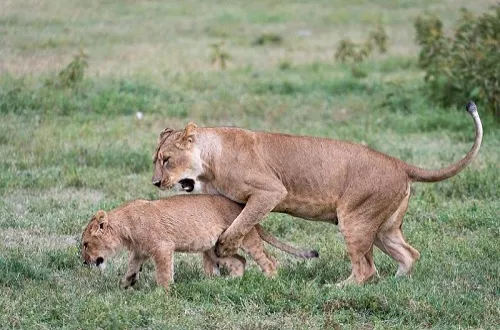
Ngorongoro Crater Photos: Stunning Images of Wildlife
Ngorongoro Crater Photos showcase breathtaking wildlife images, landscapes, and award-winning photog... Explore more about Ngorongoro Crater Photos
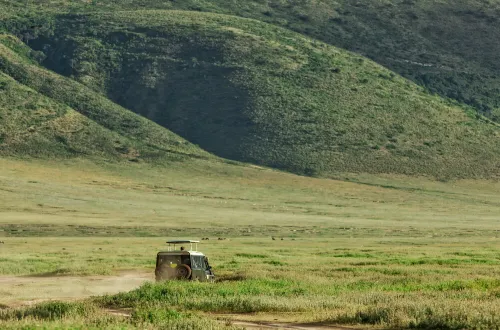
Ngorongoro Crater Formation: How This Wonder Came to Be
Ngorongoro Crater Formation resulted from a massive volcanic eruption 2.5 million years ago, creatin... Explore more about Ngorongoro Crater Formation
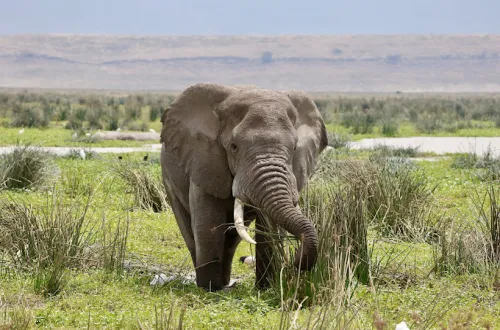
Ngorongoro Crater Weather: Climate & Best Travel Seasons
Ngorongoro Crater weather has a mild, temperate climate with short rainy periods from December to Ma... Explore more about Ngorongoro Crater Weather
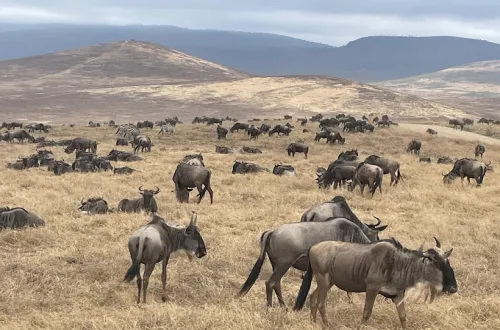
Ngorongoro Crater Animals: The Wildlife Paradise of Africa
Ngorongoro Crater animals include the Big Five—lions, elephants, leopards, buffaloes, and blac... Explore more about Ngorongoro crater animals
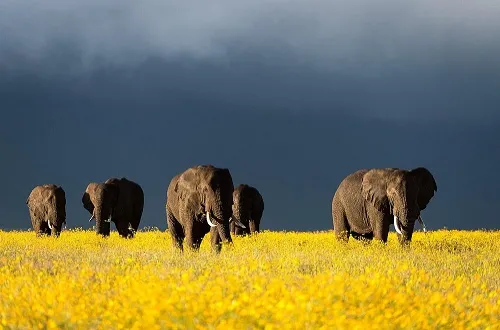
Big Five Ngorongoro: Safari to See Africa’s Iconic Animals
Big Five Ngorongoro includes lions, elephants, buffaloes, leopards, and rhinos, all seen on the crat... Explore more about Big Five Ngorongoro
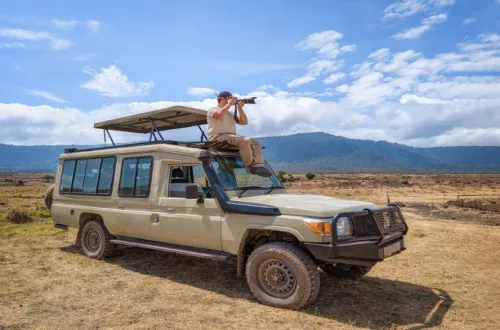
Ngorongoro Crater Photography: A Photographer’s Paradise
Ngorongoro Crater Photography captures the best landscapes and diverse wildlife, making it a top des... Explore more about Ngorongoro Crater Photography
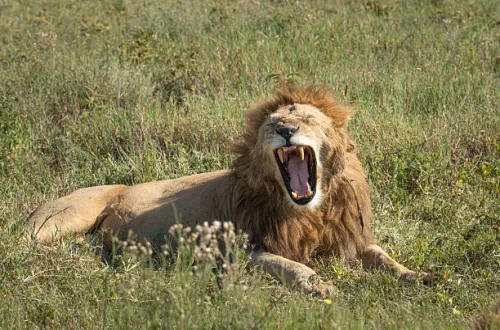
Ngorongoro Crater Best Photography Spots
Ngorongoro Crater best photography spots capture wildlife against crater walls, with soft morning an... Explore more about Ngorongoro Best Photography Spots