Ngorongoro Crater Facts: Things You Didn’t Know Before
Ngorongoro Crater facts are that it’s home to 25,000 animals, formed by a massive volcanic collapse, and offers unmatched wildlife in a unique ecosystem.
Access Your PDF Instantly
Ngorongoro Crater >> Ngorongoro Crater facts
Book Now: Ngorongoro Crater facts
WhatsApp: +255 747 989 416
Email: exploreafrica024@gmail.com
Make A Quote
Ngorongoro Crater Facts: 15 Amazing Things You Didn’t Know About Africa’s Natural Wonder
Ngorongoro Crater facts are essential for anyone interested in geology, wildlife, or African safari destinations. The Ngorongoro Crater, located in northern Tanzania, is the world’s largest intact volcanic caldera, and it was formed around 2.5 million years ago when a massive volcano erupted and collapsed inward. Today, this ancient formation is home to one of the most concentrated and diverse ecosystems in Africa.
We offer Ngorongoro Crater tours in both private safaris and group join options, ranging from day trips to multi-day safaris—all designed to help you make the most of your visit to this natural wonder. Discover Ngorongoro Crater Facts: 15 Amazing Things You Didn’t Know Before About Africa’s Natural Wonder.
Let’s explore the most compelling Ngorongoro Crater facts that make it a must-visit destination.
Top 15 Fascinating Ngorongoro Crater Facts
1. World’s Largest Intact Caldera
Ngorongoro Crater is the largest intact and inactive volcanic caldera on the planet. It spans roughly 20 kilometers (12 miles) across and plunges 610 meters (2,000 feet) deep.
2. Formed by a Massive Volcanic Collapse
One of the strongest Ngorongoro Crater facts is its formation from a colossal volcanic eruption and collapse, which occurred approximately 2.5 million years ago.
3. A UNESCO World Heritage Site
Recognized for its ecological significance and breathtaking landscape, the crater earned UNESCO World Heritage status in 1979.
4. Hosts 25,000 Large Animals
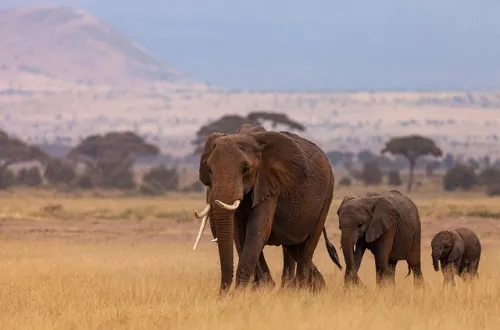
Ngorongoro Crater is home to over 25,000 large mammals, including elephants, lions, wildebeests, zebras, and buffaloes.
5. Excellent Spot for Viewing the Big Five
The crater is one of the best places in Africa to spot the Big Five—lion, elephant, buffalo, leopard, and rhinoceros—in a single game drive.
6. Dense Population of Lions
Ngorongoro has a very high density of lions, drawn by the abundant prey on the crater floor.
7. Home to the Endangered Black Rhino
One of the most compelling Ngorongoro Crater facts is that it’s among the few places in Tanzania where you can still see the critically endangered black rhino.
8. The Weather Supports Life Year-Round
Ngorongoro Crater The weather remains mild and temperate throughout the year, with cool mornings and warmer afternoons, creating a stable habitat for wildlife.
9. Two Distinct Rainy Seasons
There are two rainy periods in the region—short rains from November to December and long rains from March to May.
10. Giraffes Don’t Live Inside the Crater
You won’t find giraffes on the crater floor; the steep descent makes it difficult for them to enter and exit.
11. A Unique Ecosystem in a Bowl
The crater forms a closed ecosystem with natural walls, permanent water sources, and grasslands that support a variety of species in a confined space.
12. Maasai People Share the Land
The surrounding conservation area is inhabited by the Maasai community, known for their rich culture and traditional cattle herding.
13. Close to Olduvai Gorge
Just outside the crater lies Olduvai Gorge, a world-famous archaeological site known for early human fossil discoveries.
14. Birdwatcher’s Paradise
Ngorongoro is home to more than 500 bird species, including flamingos, secretary birds, and raptors, making it a haven for bird enthusiasts.
15. Extremely Popular Safari Destination
Ngorongoro Crater draws thousands of visitors each year due to its accessibility, rich wildlife, and beautiful scenery.
Best Time to Visit Based on Ngorongoro Crater Facts
Understanding Ngorongoro Crater facts helps in planning the perfect trip. The best time to visit is during the dry season—from June to October—when wildlife viewing is easiest due to sparse vegetation and concentrated water sources.
If you’re interested in birdwatching or lush scenery, consider visiting during the short rainy season in December, January, February, or March. The crater remains accessible throughout the year due to its favorable weather and maintained roads.
Contact Us for Ngorongoro Crater Tours
Ready to turn these amazing Ngorongoro Crater facts into real-life experiences? Our tour services provide unmatched access to this stunning destination. Whether you’re looking for an in-depth multi-day safari or a quick day trip, we tailor each experience to suit your preferences.
Reach out to us today to learn more about:
✔ Private Ngorongoro Safaris
✔ Group Join Safaris
✔ Day Trips and Custom Adventures
Let us guide you through the wonders of Ngorongoro Crater and ensure you get the most out of every fact and feature this incredible site offers.
These Ngorongoro Crater facts not only highlight its natural and geological importance but also illustrate why it’s one of the most iconic safari spots in the world. With abundant wildlife, a fascinating origin story, and year-round accessibility, the crater remains a top-tier destination for nature lovers, photographers, and adventure seekers alike.
Ngorongoro Crater facts - Related Pages

Ngorongoro Crater Size: 100 square miles
Ngorongoro Crater spans 260 sq km, with a depth of 610m, a diameter of 16-19km, and an elevation of ... Explore more about Ngorongoro Crater Size

Ngorongoro Crater Map: Navigating World’s Largest Caldera
Ngorongoro Crater Map provides a detailed guide to the crater’s 260 sq km area, roads, lodges,... Explore more about Ngorongoro Crater Map

Ngorongoro Crater History: The Evolution of Natural Wonder
Ngorongoro Crater history dates back 2.5 million years, when a massive volcanic eruption led to its ... Explore more about Ngorongoro Crater History
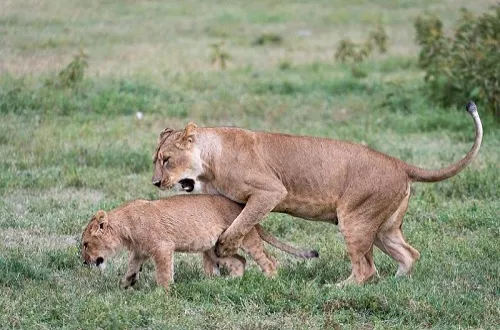
Ngorongoro Crater Photos: Stunning Images of Wildlife
Ngorongoro Crater Photos showcase breathtaking wildlife images, landscapes, and award-winning photog... Explore more about Ngorongoro Crater Photos
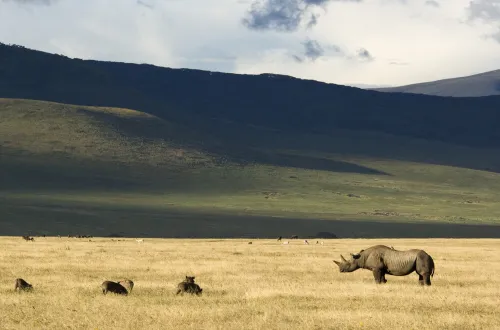
Ngorongoro Crater Altitude: 2,286 meters above sea level
Ngorongoro Crater Altitude is 7,500 feet (2,286 meters) at the rim, while the crater floor is 5,577 ... Explore more about Ngorongoro Crater Altitude
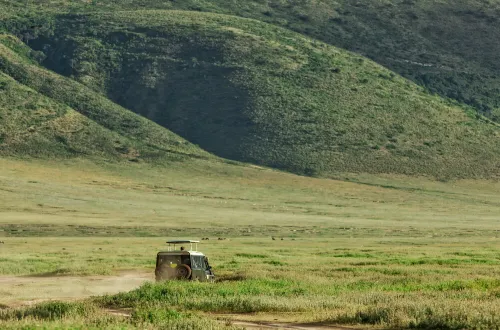
Ngorongoro Crater Formation: How This Wonder Came to Be
Ngorongoro Crater Formation resulted from a massive volcanic eruption 2.5 million years ago, creatin... Explore more about Ngorongoro Crater Formation
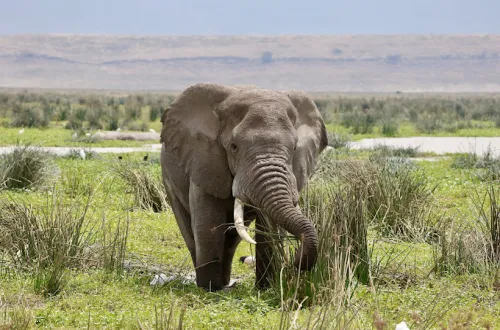
Ngorongoro Crater Weather: Climate & Best Travel Seasons
Ngorongoro Crater weather has a mild, temperate climate with short rainy periods from December to Ma... Explore more about Ngorongoro Crater Weather
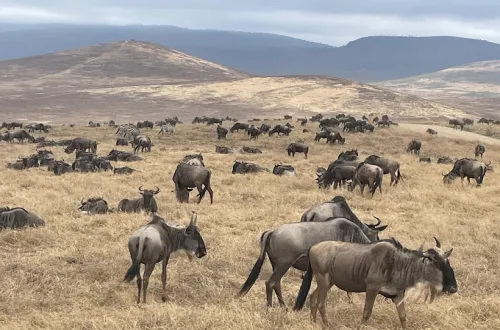
Ngorongoro Crater Animals: The Wildlife Paradise of Africa
Ngorongoro Crater animals include the Big Five—lions, elephants, leopards, buffaloes, and blac... Explore more about Ngorongoro crater animals
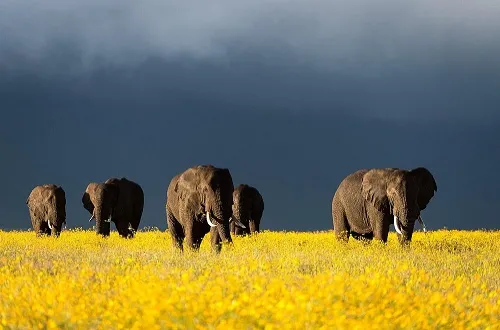
Big Five Ngorongoro: Safari to See Africa’s Iconic Animals
Big Five Ngorongoro includes lions, elephants, buffaloes, leopards, and rhinos, all seen on the crat... Explore more about Big Five Ngorongoro
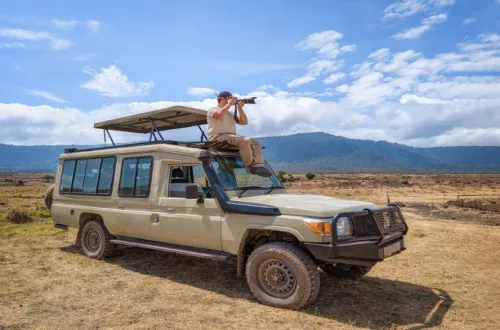
Ngorongoro Crater Photography: A Photographer’s Paradise
Ngorongoro Crater Photography captures the best landscapes and diverse wildlife, making it a top des... Explore more about Ngorongoro Crater Photography