Ngorongoro Crater Tanzania: Africa Natural Wonder
Ngorongoro Crater Tanzania is the largest intact volcanic caldera, formed 2.5 million years ago and known as Africa’s iconic wildlife sanctuary.
Access Your PDF Instantly
Ngorongoro Crater >> Ngorongoro Crater Tanzania
Book Now: Ngorongoro Crater Tanzania
WhatsApp: +255 747 989 416
Email: exploreafrica024@gmail.com
Make A Quote
Ngorongoro Crater Tanzania: A Natural Wonder of Wildlife and Geological Splendor
Ngorongoro Crater Tanzania is the largest unfilled, intact, and inactive volcanic caldera on Earth. It was formed approximately 2.5 million years ago when a massive volcano erupted and collapsed in on itself, leaving behind a spectacular geological structure. Nestled in the northern part of the country, Ngorongoro Crater, Tanzania, is often referred to as “Africa’s Garden of Eden” due to its lush landscape and incredibly dense population of wildlife.
We offer Ngorongoro Crater Tanzania tours in both private and group join safari packages, ranging from day trips to multi-day adventures. Whether you want a quick glimpse of the crater’s stunning beauty or a deeper exploration of its thriving ecosystem, we have something perfect for you.
Ngorongoro Crater Tanzania: Location and Protected Status
Ngorongoro Crater Tanzania is located within the Ngorongoro Conservation Area, about 180 kilometers (110 miles) west of Arusha, and it lies close to the Serengeti National Park. This region is a UNESCO World Heritage Site due to its ecological and archaeological significance. The crater is managed under the Ngorongoro Conservation Area Authority, which works to balance the needs of tourism, conservation, and the indigenous Maasai communities who reside in the area.
Formation and Geological Features of Ngorongoro Crater Tanzania
The Ngorongoro Crater Tanzania was created when a towering volcano collapsed into itself, leaving behind a massive caldera measuring approximately 20 kilometers (12.4 miles) wide and 600 meters (2,000 feet) deep. Unlike many other craters, it has remained intact and untouched by further volcanic activity, making it the largest of its kind in the world.
Its floor is a mosaic of grasslands, forests, swamps, and a central soda lake—Lake Magadi—which supports a wide range of flora and fauna. The elevated rim around the crater offers some of the most panoramic views in all of East Africa.
Wildlife Riches: Ngorongoro Crater Tanzania’s Living Wonders
Ngorongoro Crater Tanzania is home to an estimated 25,000 large animals. It is one of the best places in Africa to see the Big Five—lions, leopards, elephants, black rhinos, and buffalo—all in a relatively small area.
Wildlife Highlights:
Lions: A large resident population with unique crater-based pride behavior.
Black Rhinos: Ngorongoro is one of the last safe havens for these endangered animals.
Elephants: Mostly older bulls with massive tusks can be seen near forested areas.
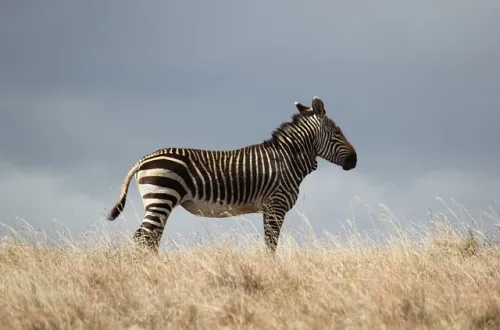
Zebras and Wildebeests: Found in great numbers, often mingling across the crater floor.
Flamingos: Attracted to Lake Magadi’s soda-rich waters.
Predators: Hyenas, jackals, cheetahs, and leopards also call the crater home.
Birdlife: Over 500 bird species including ostriches, crowned cranes, and kori bustards.
The People and Culture Around Ngorongoro Crater Tanzania
The Maasai people have long coexisted with the wildlife of Ngorongoro Crater Tanzania. These pastoralists are known for their rich culture and traditional lifestyle. Visitors can arrange cultural encounters with nearby Maasai villages to learn about their customs, food, and cattle-based livelihood.
Best Time to Visit Ngorongoro Crater Tanzania
For optimal wildlife viewing and photography, the dry season from June through October is considered the best time to visit Ngorongoro Crater Tanzania. During these months, vegetation is sparse and animals are easier to spot around water sources.
However, the short rain season in December, January, February, and March also has its advantages. The landscape becomes greener, birdlife flourishes, and the crater is less crowded. It’s a good time for those who prefer a more tranquil atmosphere and beautiful green scenery.
Visiting Ngorongoro Crater Tanzania: What to Expect
Game Drives
Game drives are the most popular way to explore Ngorongoro Crater Tanzania. Guided tours descend into the crater early in the morning, maximizing chances to see wildlife in action.
Accommodation
There are a number of lodges and tented camps located on the crater rim and nearby areas. These accommodations offer sweeping views, comfort, and proximity to the crater floor.
Photography
Whether you’re an amateur or professional, Ngorongoro Crater Tanzania offers breathtaking opportunities to capture wildlife and scenery unlike anywhere else.
Contact Us for Ngorongoro Crater Tanzania Tours
If you’re ready to witness the wonder of Ngorongoro Crater Tanzania up close, we’re here to help. Our team offers expertly guided safaris tailored to your interests, timeline, and budget. Choose from:
✔ Private Tours
✔ Group Join Safaris
✔ Day Trips or Multi-Day Adventures
Contact us today to plan your journey into the heart of one of Africa’s most iconic landscapes.
Ngorongoro Crater Tanzania is more than just a geographical marvel—it’s a living, breathing sanctuary where nature thrives in its most pure and powerful form. Whether you come for the wildlife, the landscape, or the cultural richness, this destination promises unforgettable moments.
Ngorongoro Crater Tanzania - Related Pages

Ngorongoro Crater Size: 100 square miles
Ngorongoro Crater spans 260 sq km, with a depth of 610m, a diameter of 16-19km, and an elevation of ... Explore more about Ngorongoro Crater Size

Ngorongoro Crater Map: Navigating World’s Largest Caldera
Ngorongoro Crater Map provides a detailed guide to the crater’s 260 sq km area, roads, lodges,... Explore more about Ngorongoro Crater Map

Ngorongoro Crater History: The Evolution of Natural Wonder
Ngorongoro Crater history dates back 2.5 million years, when a massive volcanic eruption led to its ... Explore more about Ngorongoro Crater History
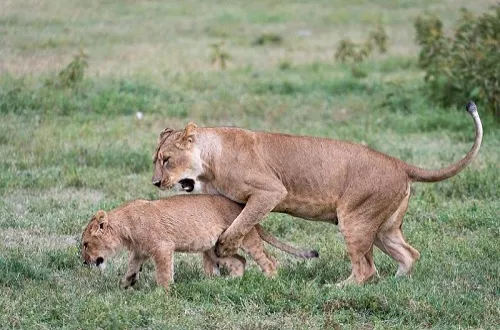
Ngorongoro Crater Photos: Stunning Images of Wildlife
Ngorongoro Crater Photos showcase breathtaking wildlife images, landscapes, and award-winning photog... Explore more about Ngorongoro Crater Photos
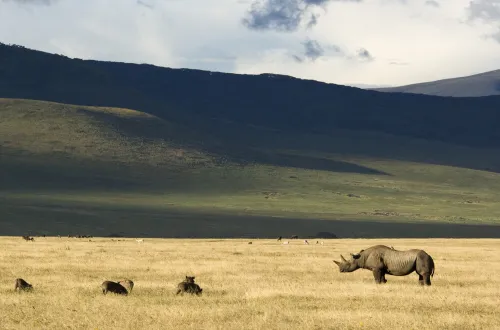
Ngorongoro Crater Altitude: 2,286 meters above sea level
Ngorongoro Crater Altitude is 7,500 feet (2,286 meters) at the rim, while the crater floor is 5,577 ... Explore more about Ngorongoro Crater Altitude
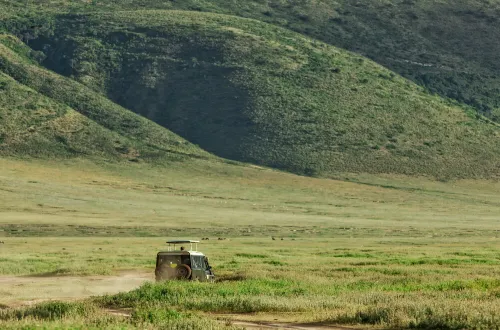
Ngorongoro Crater Formation: How This Wonder Came to Be
Ngorongoro Crater Formation resulted from a massive volcanic eruption 2.5 million years ago, creatin... Explore more about Ngorongoro Crater Formation
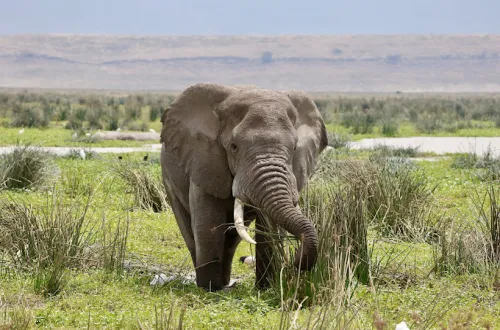
Ngorongoro Crater Weather: Climate & Best Travel Seasons
Ngorongoro Crater weather has a mild, temperate climate with short rainy periods from December to Ma... Explore more about Ngorongoro Crater Weather
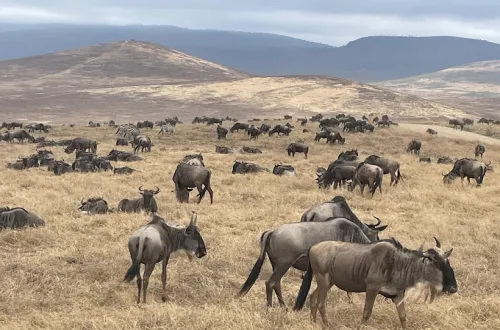
Ngorongoro Crater Animals: The Wildlife Paradise of Africa
Ngorongoro Crater animals include the Big Five—lions, elephants, leopards, buffaloes, and blac... Explore more about Ngorongoro crater animals
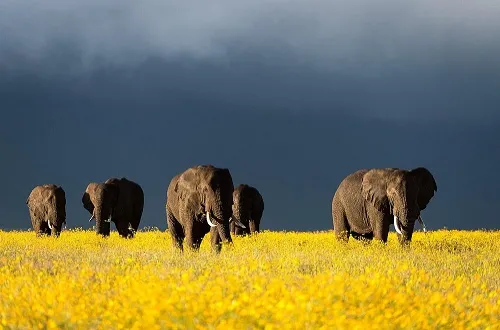
Big Five Ngorongoro: Safari to See Africa’s Iconic Animals
Big Five Ngorongoro includes lions, elephants, buffaloes, leopards, and rhinos, all seen on the crat... Explore more about Big Five Ngorongoro
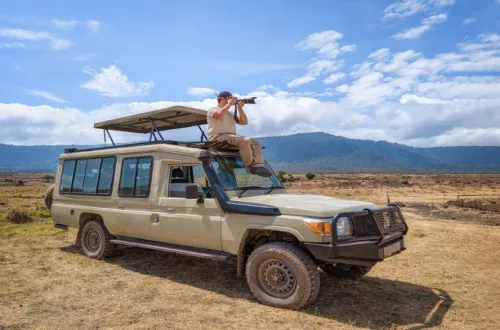
Ngorongoro Crater Photography: A Photographer’s Paradise
Ngorongoro Crater Photography captures the best landscapes and diverse wildlife, making it a top des... Explore more about Ngorongoro Crater Photography