Top Ngorongoro Crater Safari Tips for Unforgettable Trips
Ngorongoro Crater Safari Tips help you choose the best season, spot wildlife, prepare your gear, and plan visits to the crater and surrounding attractions.
Access Your PDF Instantly
Ngorongoro Crater >> Ngorongoro Crater Safari Tips
Book Now: Ngorongoro Crater Safari Tips
WhatsApp: +255 747 989 416
Email: exploreafrica024@gmail.com
Make A Quote
Ngorongoro Crater Safari Tips
Ngorongoro Crater Safari Tips are the best insights for visitors to know the right time to visit, wildlife viewing, what to pack, where to stay, and how to get there. Whether you’re going for the first time or returning for another encounter with the breathtaking beauty of Tanzania’s wildlife jewel, the right tips can make all the difference.
Nestled in northern Tanzania, the Ngorongoro Crater is the world’s largest intact volcanic caldera and a UNESCO World Heritage Site. It’s a haven for wildlife and a hotspot for safari lovers. Known for its year-round game viewing, dramatic scenery, and cultural richness, it remains one of Africa’s most rewarding destinations.
With these expert Ngorongoro Crater Safari Tips, you’ll feel well-prepared and confident before setting foot in this magnificent natural amphitheater.
Ngorongoro Crater Safari Trips
We provide tailor-made Ngorongoro Crater Safari Trips that fit every type of traveler. Choose from private safaris for a personalized and intimate experience or group join safaris for a social and budget-friendly option. Our offerings range from single-day excursions to multi-day packages that combine the crater with other famous parks like the Serengeti and Tarangire.
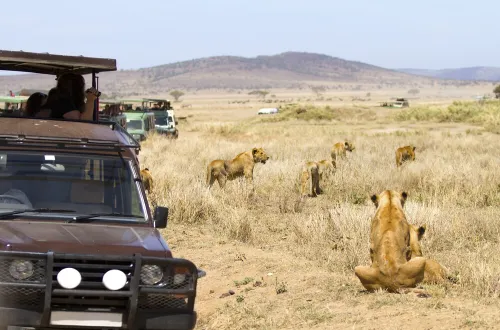
All tours are guided by professional safari experts with in-depth knowledge of the crater’s ecosystem, animal behaviors, and cultural background. Our well-maintained 4x4 safari vehicles ensure comfort, safety, and prime game viewing.
Essential Ngorongoro Crater Safari Tips for Every Traveler
Timing Your Visit
The success of any safari starts with timing, and Ngorongoro is no exception. While it’s accessible all year, these Ngorongoro Crater Safari Tips help you choose the best time based on your preferences:
Dry Season (June to October): Offers the clearest skies, fewer mosquitoes, and excellent visibility for wildlife. The grass is shorter, making animals easier to spot.
Short Rain Season (December to March): Lush green landscapes, baby animals being born, and a spectacular time for birdwatching. This season brings life and color to the crater.
April and May: Often avoided due to heavy rains, which can lead to muddy roads and limited access.
No matter when you go, an early morning game drive is always ideal to catch predators on the hunt and witness the crater awakening in golden light.
What to Pack for Your Safari
One of the most practical Ngorongoro Crater safari tips is packing smart. Weather conditions change with elevation and time of day. Here’s what you shouldn’t forget:
Lightweight, neutral-colored clothing
Warm jacket for early morning drives
Sun protection (hat, sunglasses, sunscreen)
Binoculars and a good camera
Refillable water bottle
Travel documents and park entry permits
Comfortable shoes are also important if you plan on taking short walks or visiting Maasai villages around the crater.
Where to Stay Around Ngorongoro
The area offers accommodations to suit every taste and budget. One of our top Ngorongoro Crater Safari Tips is to book early, especially in the high season. Options include
Crater Rim Lodges: These offer premium access with unmatched sunrise views into the crater and quicker descent for early game drives.
Karatu Town Lodges: A more affordable option with charming stays and close proximity (about 30 minutes to the crater gate).
Luxury Tented Camps: For a mix of nature and comfort, these offer a unique blend of immersion and convenience.
Each option provides an excellent base to experience the wonders of the crater, though proximity and elevation will slightly impact your game drive logistics.
Wildlife Viewing and Safari Tips
When it comes to Ngorongoro Crater Safari Tips, knowing what animals to look for and where is key:
Black rhinos are most often seen in the open grasslands.
Lions are frequently spotted lounging in the morning sun.
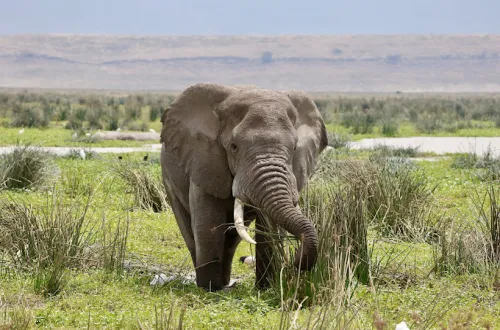
Elephants, especially lone bulls, roam the forested crater slopes.
Flamingos and hippos gather around Lake Magadi and the surrounding marshes.
Leopards are more elusive but may be seen near the crater walls.
Don’t forget to ask your guide about unique sightings, and always remain quiet and respectful near animals.
Getting to Ngorongoro Crater
You can reach Ngorongoro Crater via:
Road: A scenic 3.5–4-hour drive from Arusha. You’ll pass through Maasai lands and rolling highlands.
Transport is usually included in safari packages, but independent travelers can arrange transfers or car rentals with a professional guide.
Nearby Attractions to Include in Your Safari
Ngorongoro Crater Safari Tips wouldn’t be complete without mentioning nearby must-sees:
Olduvai Gorge: A key archaeological site offering insight into early human evolution.
Empakaai and Olmoti Craters: Less visited but beautiful for hiking and photography.
Lake Eyasi: Visit the Hadzabe and Datoga tribes to gain cultural depth during your trip.
Add these locations to your itinerary for a richer understanding of the area’s diversity.
Contact Us for the Best Ngorongoro Crater Safari Trips
For personalized advice and unforgettable memories, contact us for the best Ngorongoro Crater safari trips. We’ll help you plan from start to finish—choosing the best dates, preparing your checklist, arranging transport and accommodation, and providing expert guides.
Our team is passionate about African safaris and committed to making your Ngorongoro experience smooth, safe, and sensational.
With these Ngorongoro Crater Safari Tips, you’re now ready to step into the heart of Tanzania’s natural wonder with confidence and curiosity. Make your safari more than just a trip—make it a story you’ll tell for a lifetime.
Ngorongoro Crater Safari Tips - Related Pages

Ngorongoro Crater Size: 100 square miles
Ngorongoro Crater spans 260 sq km, with a depth of 610m, a diameter of 16-19km, and an elevation of ... Explore more about Ngorongoro Crater Size

Ngorongoro Crater Map: Navigating World’s Largest Caldera
Ngorongoro Crater Map provides a detailed guide to the crater’s 260 sq km area, roads, lodges,... Explore more about Ngorongoro Crater Map

Ngorongoro Crater History: The Evolution of Natural Wonder
Ngorongoro Crater history dates back 2.5 million years, when a massive volcanic eruption led to its ... Explore more about Ngorongoro Crater History
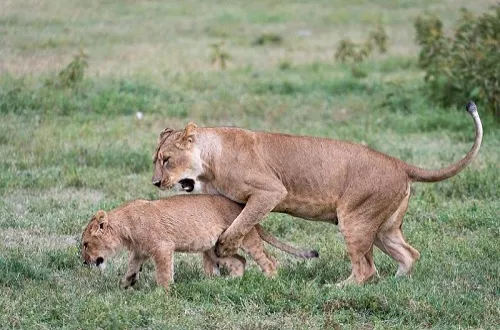
Ngorongoro Crater Photos: Stunning Images of Wildlife
Ngorongoro Crater Photos showcase breathtaking wildlife images, landscapes, and award-winning photog... Explore more about Ngorongoro Crater Photos
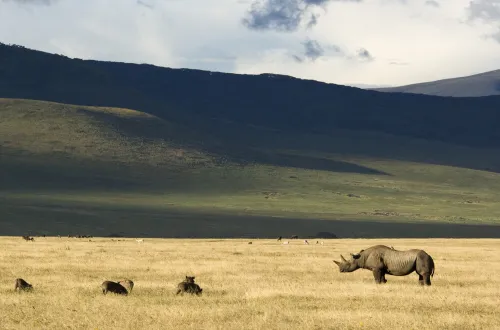
Ngorongoro Crater Altitude: 2,286 meters above sea level
Ngorongoro Crater Altitude is 7,500 feet (2,286 meters) at the rim, while the crater floor is 5,577 ... Explore more about Ngorongoro Crater Altitude
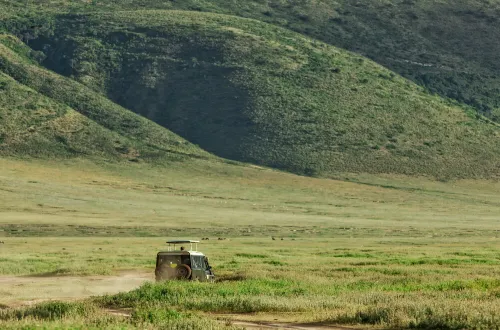
Ngorongoro Crater Formation: How This Wonder Came to Be
Ngorongoro Crater Formation resulted from a massive volcanic eruption 2.5 million years ago, creatin... Explore more about Ngorongoro Crater Formation
Ngorongoro Crater Weather: Climate & Best Travel Seasons
Ngorongoro Crater weather has a mild, temperate climate with short rainy periods from December to Ma... Explore more about Ngorongoro Crater Weather
Ngorongoro Crater Animals: The Wildlife Paradise of Africa
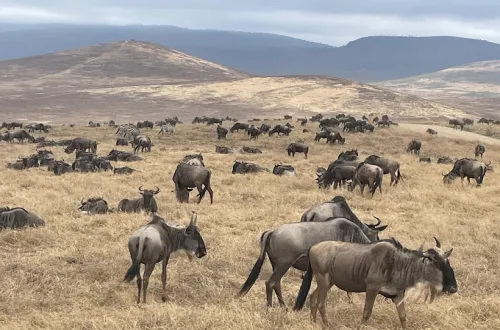
Ngorongoro Crater animals include the Big Five—lions, elephants, leopards, buffaloes, and blac... Explore more about Ngorongoro crater animals
Big Five Ngorongoro: Safari to See Africa’s Iconic Animals
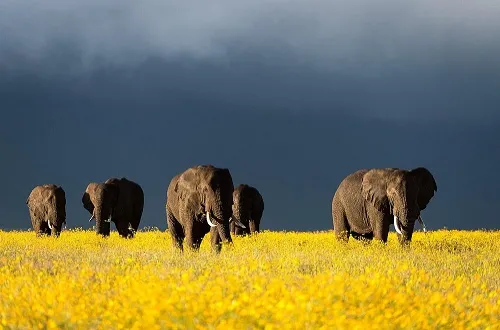
Big Five Ngorongoro includes lions, elephants, buffaloes, leopards, and rhinos, all seen on the crat... Explore more about Big Five Ngorongoro
Ngorongoro Crater Photography: A Photographer’s Paradise
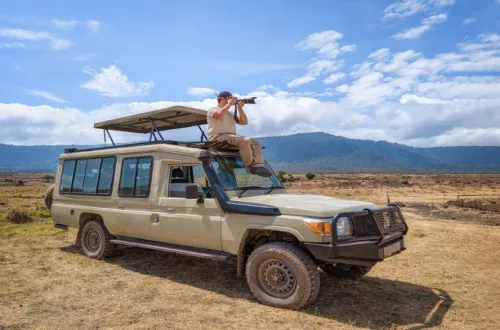
Ngorongoro Crater Photography captures the best landscapes and diverse wildlife, making it a top des... Explore more about Ngorongoro Crater Photography