Olive Baboon: Highlights of Tanzania Safari
Explore the fascinating world of the Olive Baboon in Tanzania. Discover their behavior, habitat, and where to see them on a thrilling Tanzania safari.
Access Your PDF Instantly
Animals in Tanzania >> Olive Baboon in Tanzania
Book Now: Olive Baboon in Tanzania
WhatsApp: +255 747 989 416
Email: exploreafrica024@gmail.com
Make A Quote
What is the Olive Baboon?
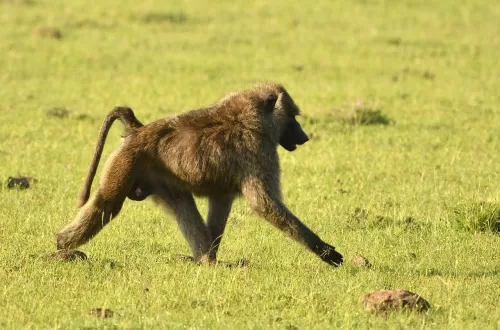
The Olive Baboon (Papio anubis) is one of the most adaptable and widespread primates in Africa. Recognized for their olive-gray coat and pronounced social structure, these baboons are a vital part of the savannah and forest ecosystems. They exhibit a high level of intelligence, making them intriguing to observe.
Olive Baboon in Tanzania
The Olive Baboon in Tanzania is a common sight in various national parks and reserves. These primates thrive in diverse habitats, including savannahs, woodlands, and forest edges. Observing Olive Baboons in Tanzania provides insight into their complex social behaviors and interactions with other wildlife, making them a fascinating species to encounter on a safari.
Scientific Classification of Olive Baboon
Scientific Name: Papio anubis
Kingdom: Animalia
Phylum: Chordata
Class: Mammalia
Order: Primates
Family: Cercopithecidae
Where to See Olive Baboons in Tanzania
1. Serengeti National Park
The Serengeti is home to large troops of olive baboons, often seen foraging or interacting near waterholes.
2. Lake Manyara National Park
Lake Manyara is renowned for its diverse wildlife, including Olive Baboons that thrive in its forested areas.
3. Tarangire National Park
In Tarangire, olive baboons are frequently spotted along the riverbanks and woodlands.
4. Ngorongoro Conservation Area
The crater’s unique environment supports a healthy population of Olive Baboons, making it another prime location for sightings.
5. Ruaha National Park
This lesser-known gem offers opportunities to observe Olive Baboons in a more remote and natural setting.
10 Best Interesting Facts About Olive Baboons
1. Highly Social Animals
Olive baboons live in troops of up to 150 members, with complex hierarchies and strong social bonds.
2. Omnivorous Diet
They eat fruits, seeds, small animals, and even insects, showcasing their adaptability.
3. Childcare Assistance
Males often help care for young baboons, forming bonds that strengthen troop cohesion.
4. Vocal Communication
Olive baboons use a variety of calls, grunts, and facial expressions to communicate with each other.
5. Adaptable Habitats
They thrive in diverse environments, from arid savannahs to lush forests, proving their versatility.
6. Tool Use
Observations have shown Olive Baboons using sticks or stones to forage, a sign of their intelligence.
7. Predator Awareness
With keen eyesight and group defense tactics, they can detect and respond to predators effectively.
8. Long Lifespan
In the wild, Olive Baboons can live up to 30 years, depending on environmental conditions.
9. Grooming Rituals
Grooming is a crucial social activity that strengthens bonds and reduces tension within troops.
10. Distinct Facial Features
Their elongated muzzle and expressive eyes make them easily distinguishable from other primates.
Physical Characteristics of Olive Baboon
1. Coat and Coloration
The olive-gray coat gives them their name, with lighter underparts and darker hands and feet.
2. Size and Weight
Males are significantly larger, weighing up to 50 kg, while females are smaller, around 20-30 kg.
3. Distinctive Tail
Their tails are carried in a characteristic "broken" shape, curving down and then upward.
4. Facial Structure
Olive baboons have a long, protruding muzzle with sharp canines used for defense and dominance displays.
5. Powerful Limbs
Strong limbs and dexterous hands allow them to climb, dig, and manipulate objects skillfully.
Contact Us to Arrange Your Tanzania Safari
Witness the intriguing behavior of Olive Baboons in Tanzania’s iconic parks. Contact us to plan your Tanzania safari for highlights of Olive Babooks and other extraordinary wildlife. Let us help you create memories of a lifetime in the heart of the African wilderness.
Olive Baboon in Tanzania - Related Pages
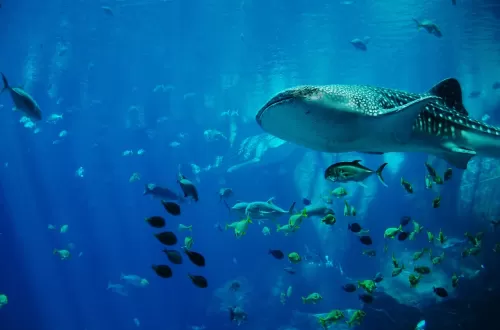
Swimming with the Whale Shark in Mafia Island
Discover the majestic Whale Shark in Mafia Island, Tanzania. Learn about its habitat, fascinating fa... Explore more about Whale Shark
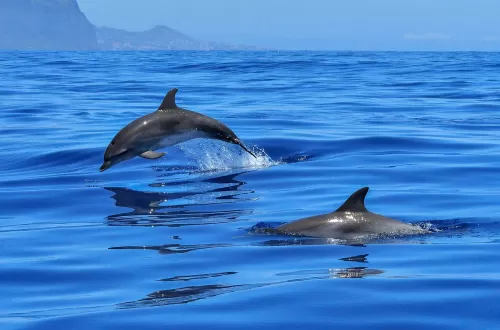
Swimming with Dolphins in Zanzibar and Mafia Island
Meta Description
Discover the captivating dolphins (bottlenose, spinner) in Tanzania’s wate... Explore more about Dolphins
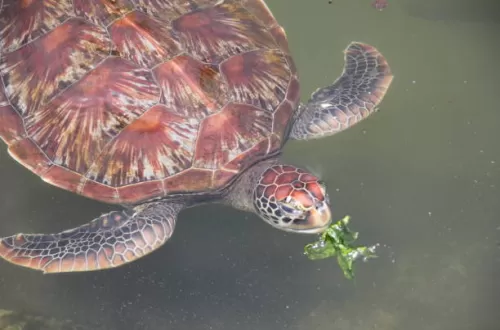
Discovering the Green Turtle in Zanzibar and Mafia Island
Discover the amazing world of the Green Turtle in Zanzibar and Mafia. Learn about their habitats, fa... Explore more about Green Turtle
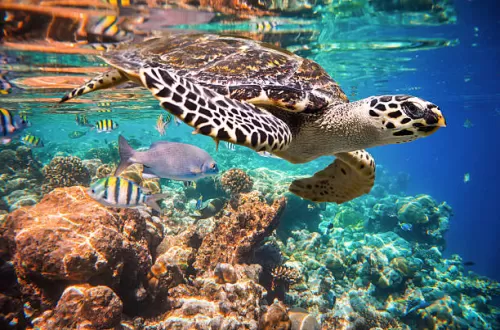
The Majestic Hawksbill Turtle of Mafia Island and Zanzibar
Discover the fascinating Hawksbill Turtle in Mafia Island and Zanzibar. Learn about its habitat, fea... Explore more about Hawksbill Turtle
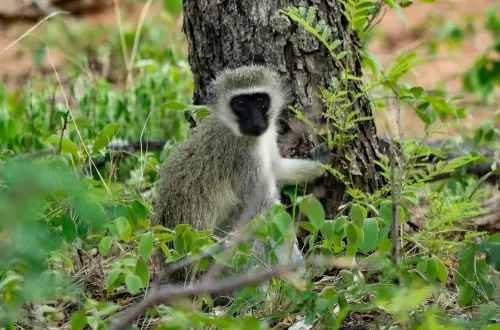
Vervet Monkey Safari in Tanzania: The Best Adventures
Explore the fascinating world of the vervet monkey in Tanzania. Discover their habitats, behaviors, ... Explore more about Vervet Monkey in Tanzania
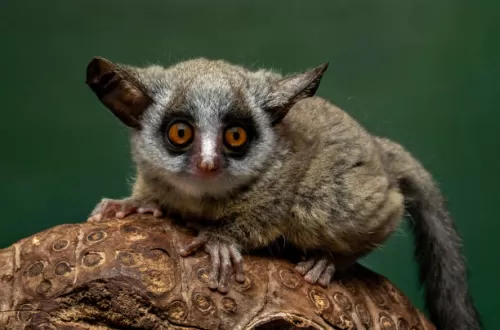
Explore the World of the Bush Baby in Tanzania Safari
Discover the enchanting bush baby in Tanzania on safari. Learn about their habitats, fascinating beh... Explore more about Bush Baby in Tanzania
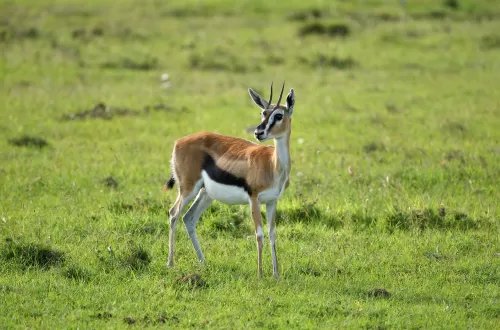
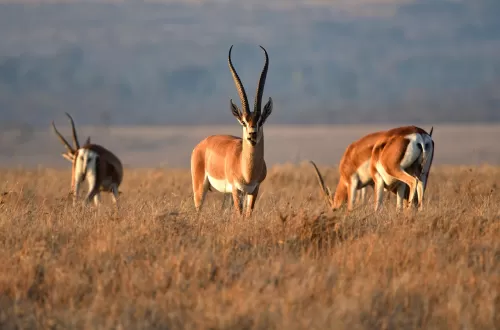
Thomson’s Gazelle in Tanzania Safari: Swift Antelope
Discover the elegance of Thomson’s Gazelle in Tanzania. Explore their habitat, behaviors, and ... Explore more about Thomson’s Gazelle in Tanzania
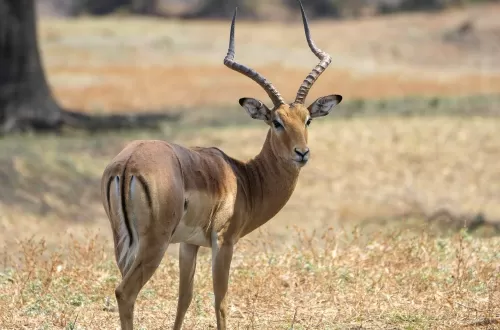
Discover the Impala on a Tanzania Safari Tour
Discover the fascinating world of the impala in Tanzania. Learn about their habitats, behavior, and ... Explore more about Impala in Tanzania
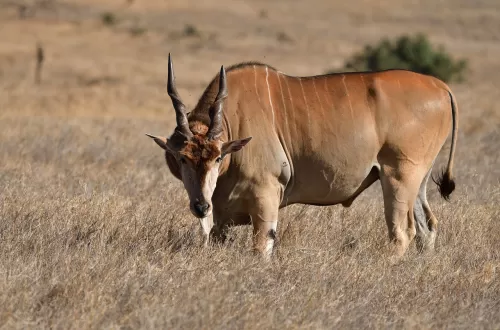
Discovering the Majestic Eland in Tanzania Safari
Discovering the iconic eland in Tanzania’s breathtaking safari parks. Learn about their habita... Explore more about Eland in Tanzania